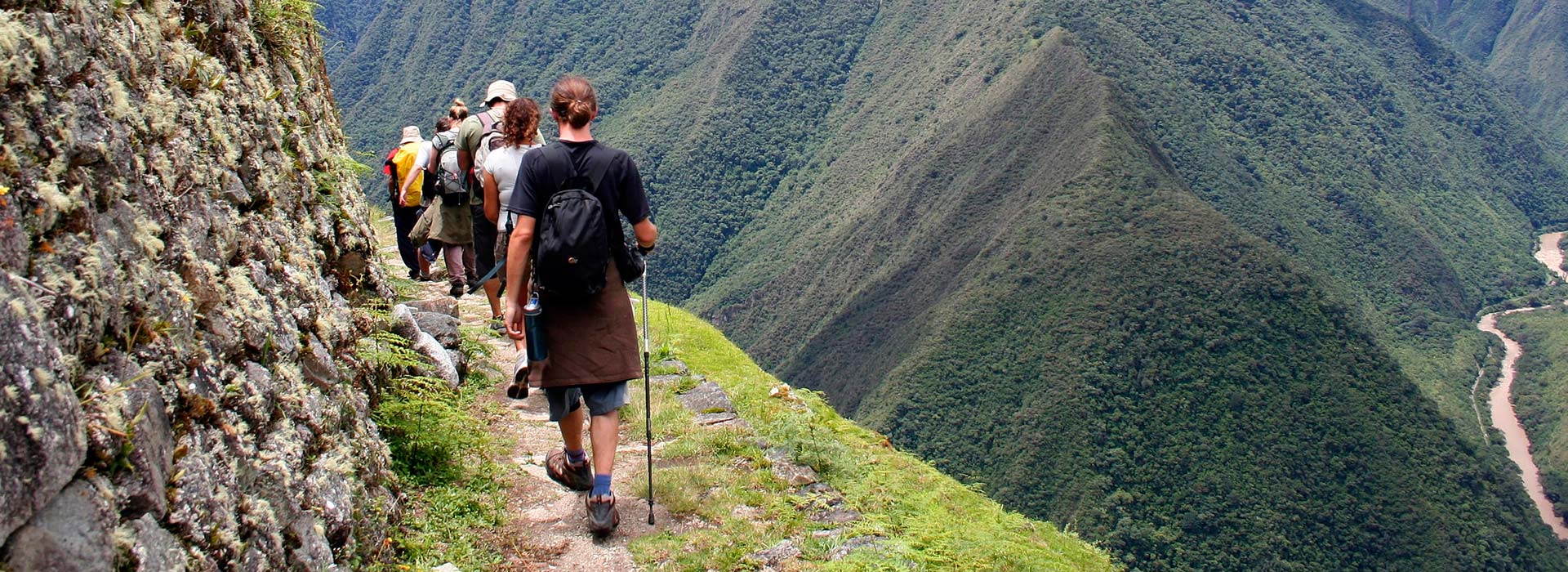
Altitude sickness is one of the main concerns of travelers who decide to hike the Inca Trail, which extends for more than 40 kilometers through the Andes Mountains, reaching altitudes of more than 4,200 meters above sea level. At these altitudes, the air is much thinner, which can generate difficulties for the human body, especially if you have no previous experience at high altitudes In this article, we explain what altitude sickness is, how to prevent it, and how to deal with it if you feel its effects during your Inca Trail trek.
Altitude sickness, also known as mountain sickness or Soroche, is a set of symptomss that occur when you ascend rapidly to high altitudes without allowing your body to acclimatize properly. As we climb to higher elevations, the amount of oxygen in the air decreases, causing the body to have to work harder to obtain the oxygen needed to function properly. This can cause a number of symptoms, ranging from mild to severe, and even life-threatening if not managed properly.
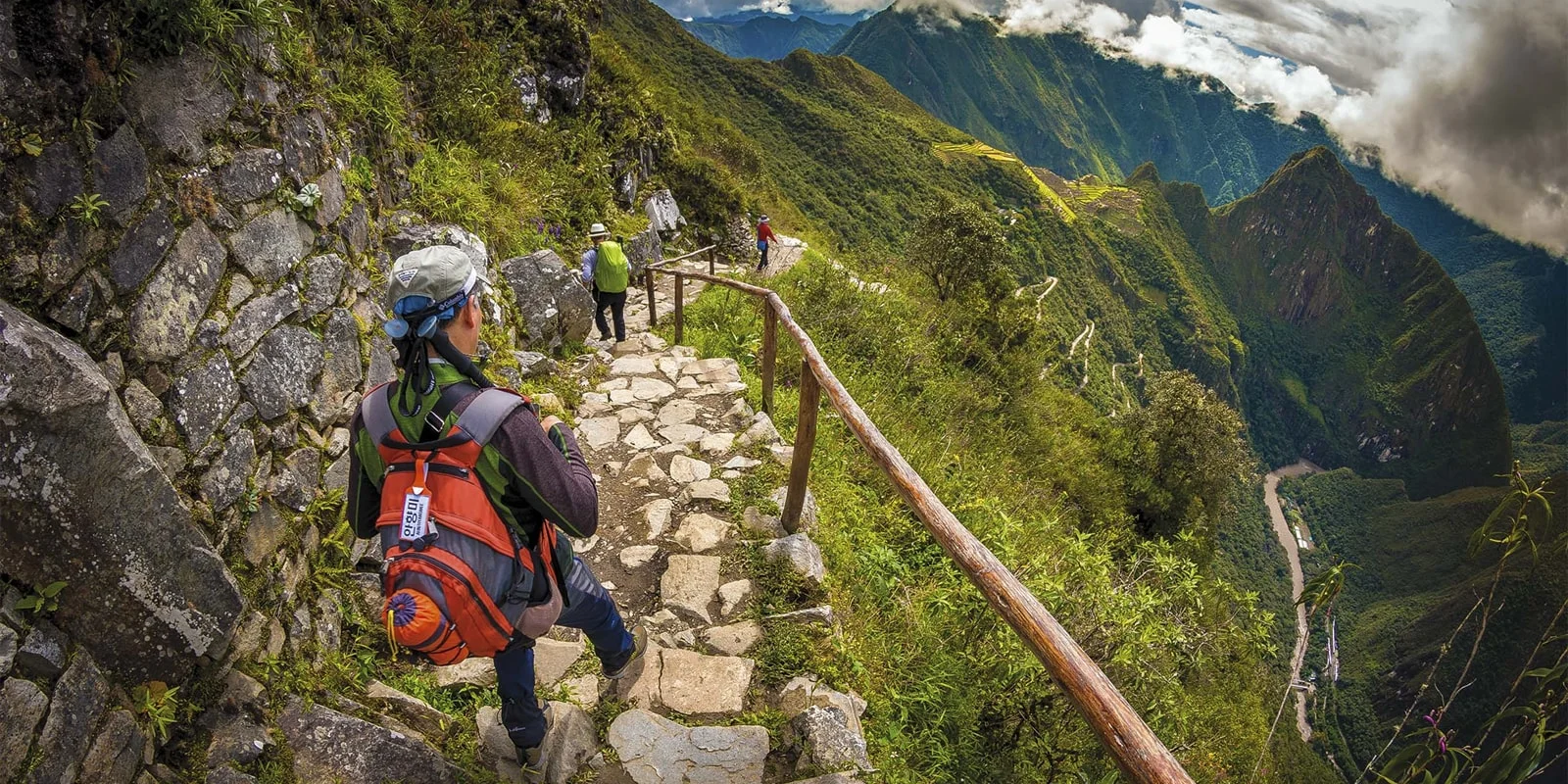
The Inca Trail is a multi-stage trek that reaches impressive heights. The highest point is the Warmiwañusca Pass (4,215 m), also known as the “Dead Woman’s Pass”. At this altitude, the air is very thin, and people who are not used to living or exercising at high altitudes may experience the effects of altitude sickness. Symptoms vary from person to person, and some may begin to feel sick even at altitudes below 3,000 meters. Therefore, it is essential to be well prepared before tackling the Inca Trail.
Symptoms of altitude sickness may appear within the first few hours of the ascent or even the next day. Common symptoms include:
Headaches: One of the most common symptoms of altitude sickness is a constant or severe headache. It is usually accompanied by nausea or dizziness.
Nausea and vomiting: Lack of oxygen and difficulty breeathing can cause nausea, and in some cases, vomiting.
Extreme fatigue: People affected by altitude sickness often feel more tired than normal, even with minimal exertion.
Dizziness or loss of balance: Dizziness is a common symptom, especially if ascending too quickly.
Insomnia: Altitude sickness can also make it difficult to sleep due to lack of oxygen.
Loss of appetite: Many people stop feeling hungry due to general malaise.
Shortness of breath: Shortness of breath is a common manifestation of altitude sickness.
If symptoms worsen or persist, it is important to act quickly to avoid serious complications.
The best way to manage altitude sickness is to prevent it. Here are some key tips to reduce the risk of altitude sickness during your Inca Trail trek:
The first step in preventing altitude sickness is to allow your body to acclimatize to the higher altitudes before you begin your hike. Acclimatization is the process in which your body gradually adapts to the lower amount of oxygen as you climb to higher altitudes. In the case of the Inca Trail, it is highly recommended to arrive in Cusco at least 2 or 3 days before starting the trek. This will give you time to adapt to the altitude (Cusco is at 3,400 m) and reduce the likelihood of altitude sickness.
Avoid ascending too quickly. Altitude sickness is usually more severe when you climb to high altitudes in a short time. While the Inca Trail is a route that involves considerable ascents, the trip is designed so that you can do it gradually. Be sure to take frequent breaks and not rush. Listen to your body.
Dehydration can aggravate the effects of altitude sickness. Drinking enough water is crucial, especially at high altitudes, where the body loses water more rapidly due to accelerated breathing and sweating. Carry at least 2 liters of water per day and drink regularly.
Both alcohol and caffeine can dehydrate the body and worsen the symptoms of altitude sickness. It is advisable to avoid them before and during the trek.
Food can also play an important role in altitude sickness.
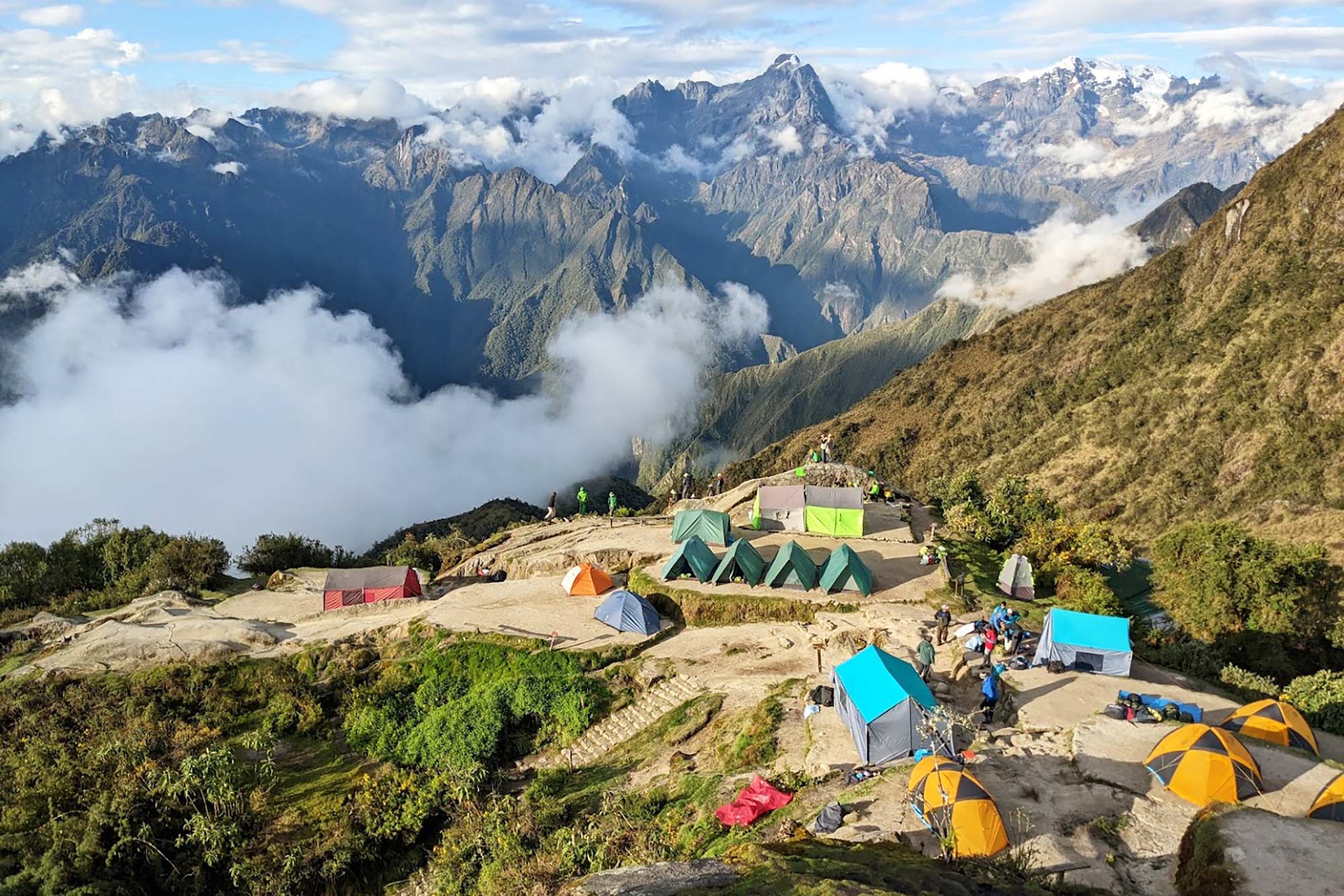
If during the trek you start to feel the symptoms of altitude sickness, it is essential that you take immediate action. Here we explain what to do:
If you experience mild symptoms, such as headache or fatigue, the first thing to do is to reduce the intensity of physical exertion. Take a break, breathe deeply and if possible, find a place to sit down and rest.
If symptoms do not improve or worsen, the best solution is to descend to a lower altitude. There is no way to effectively treat altitude sickness at high altitudes, so it is crucial to immediately descend to a lower altitude, ideally below 3,500 meters.
If symptoms become severe (extreme difficulty breathing, loss of coordination, uncontrollable vomiting), it is essential to seek medical help. On the Inca Trail, guides and porters are trained to handle these situations and can help you descend or contact emergency medical services.
Altitude sickness is a common challenge for those undertaking the Inca Trail, but with proper preparation and a conscious approach, you can minimize the risk and enjoy the experience. Prior acclimatization, staying hydrated, and taking regular breaks are key to avoiding complications. While the symptoms may be uncomfortable, they are not insurmountable, and with proper response, you can continue to enjoy this incredible journey to Machu Picchu. The key is to listen to your body and act quickly if you start to feel unwell.