
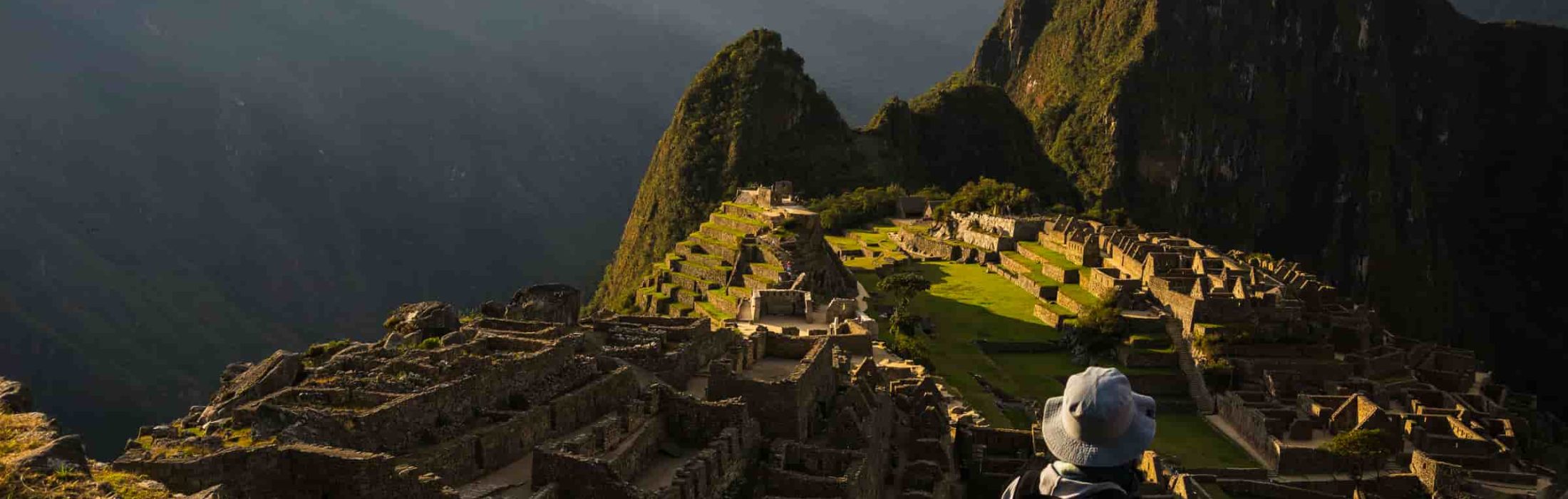
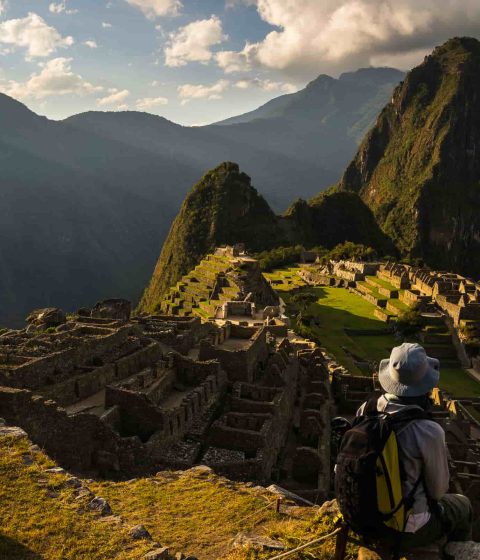





The Hydroelectric to Machu Picchu 2D/1N tour is one of the most sought-after alternative routes to reach the New Wonder of the World. Unlike the classic train-only option from Cusco or Ollantaytambo, this journey takes you through a breathtaking cross-Andean route via the Malaga Pass (4,316 m), descending through lush cloud forests into the warm jungle towns of Santa María and Santa Teresa before arriving at the Hidroeléctrica Station. From there, a 10 km scenic walk along the railway through the Urubamba canyon brings you into Machu Picchu Town (Aguas Calientes), where you will spend the night.
The following morning, you rise early to visit the iconic Inca citadel of Machu Picchu with a professional specialist guide. After the tour of the archaeological complex, you enjoy the afternoon at leisure in Aguas Calientes before boarding a comfortable panoramic train back to Ollantaytambo, where a private vehicle returns you to Cusco.
This route combines dramatic mountain scenery, biodiversity, authentic jungle-town culture, a memorable trek, and a guided world-class historical experience — making it the top choice for travelers who want more than just a day trip to Machu Picchu.
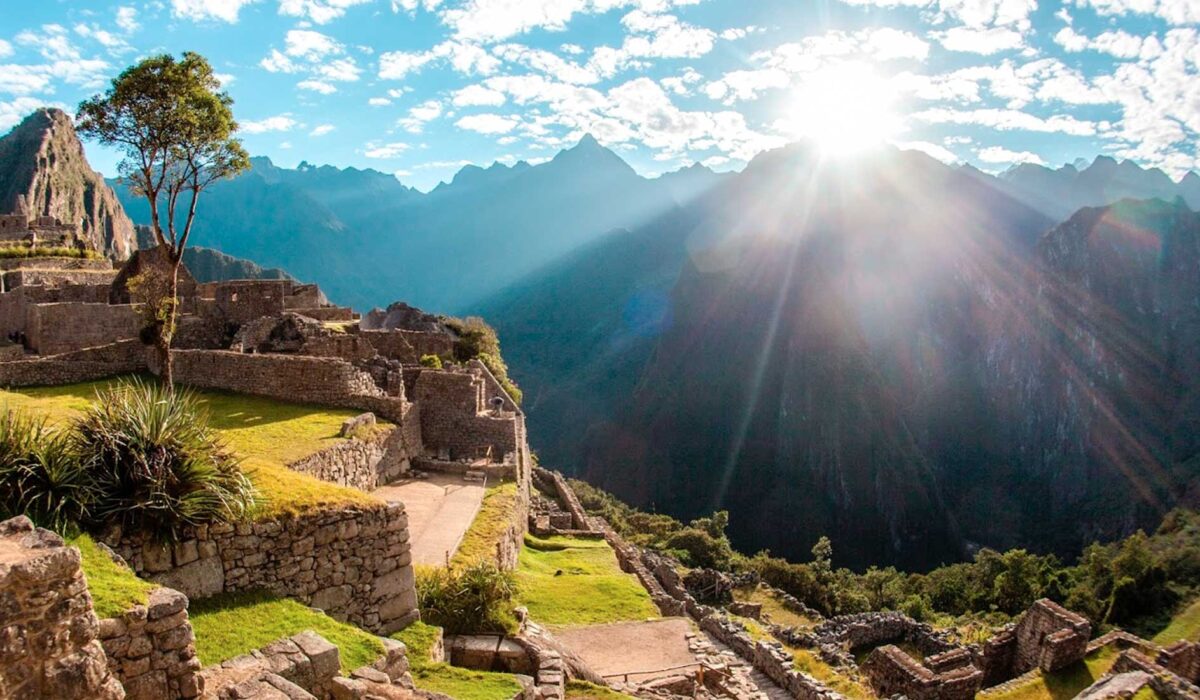
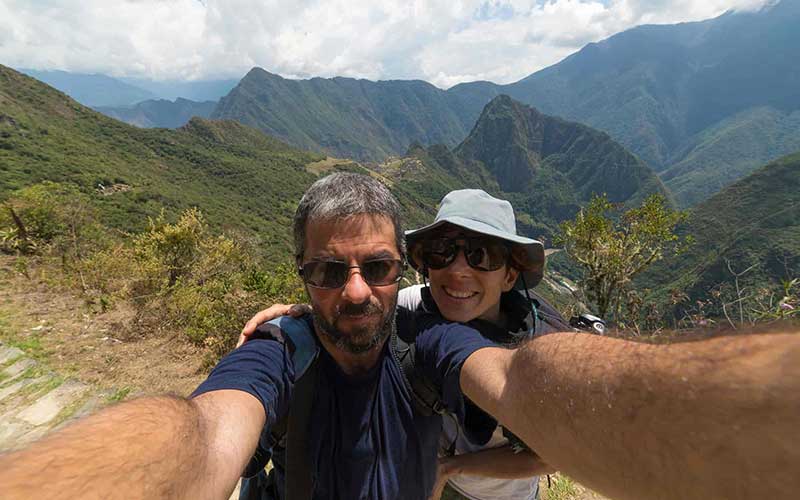
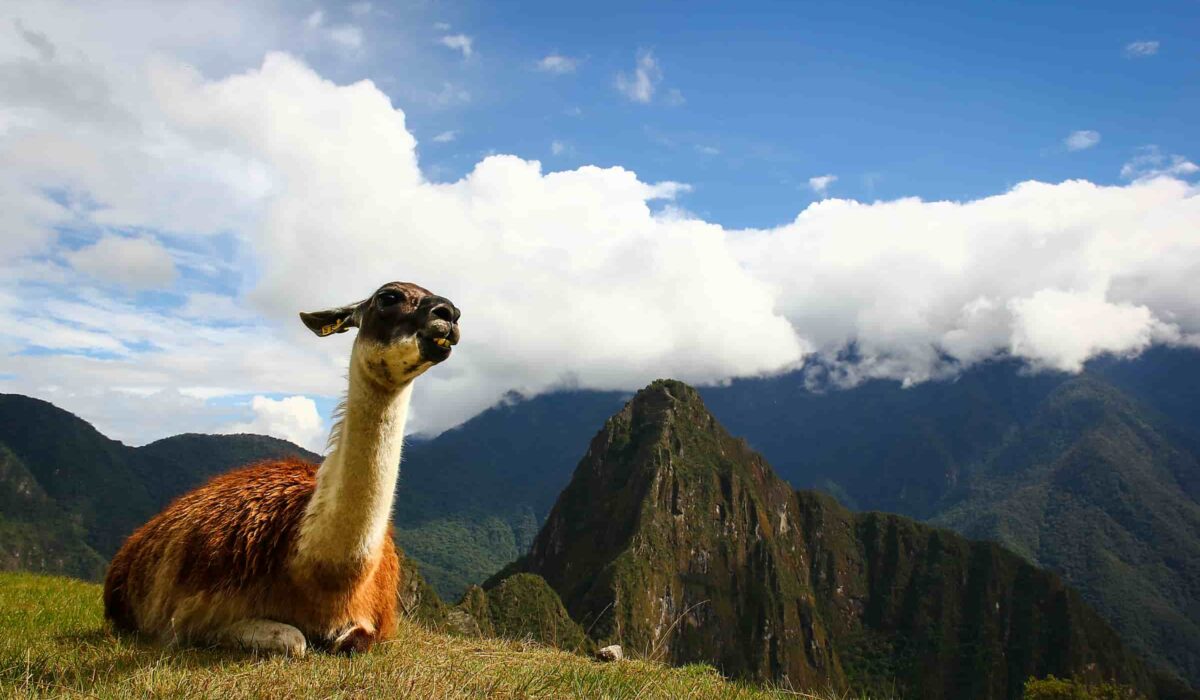
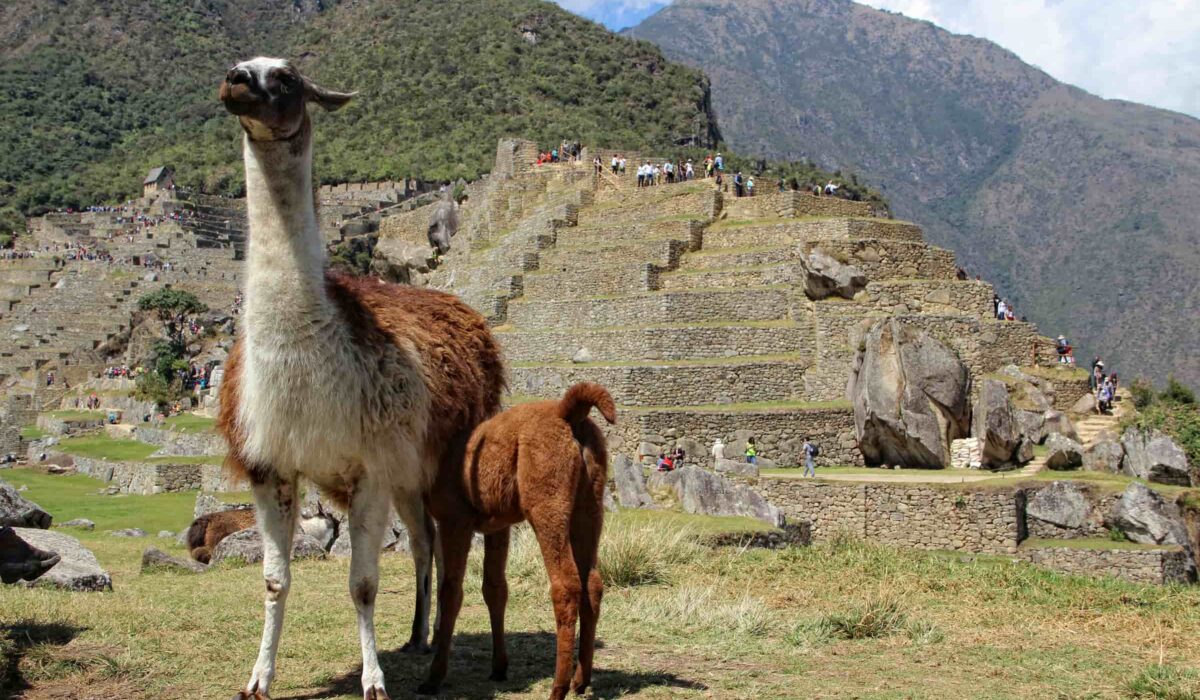
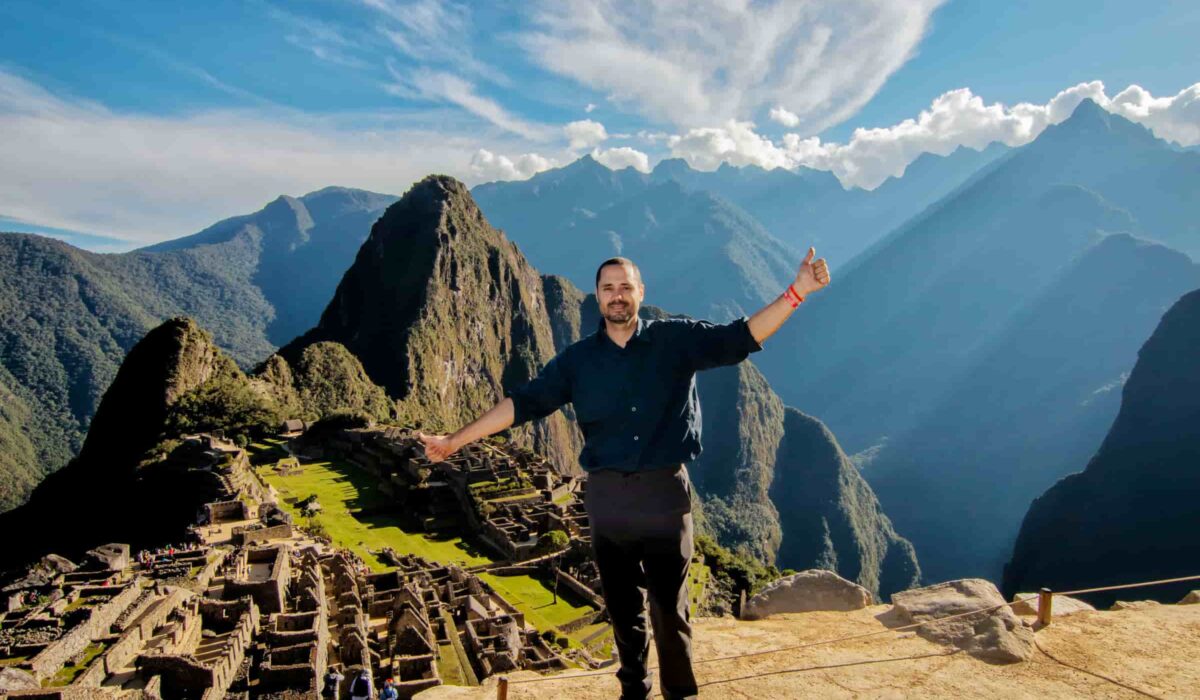
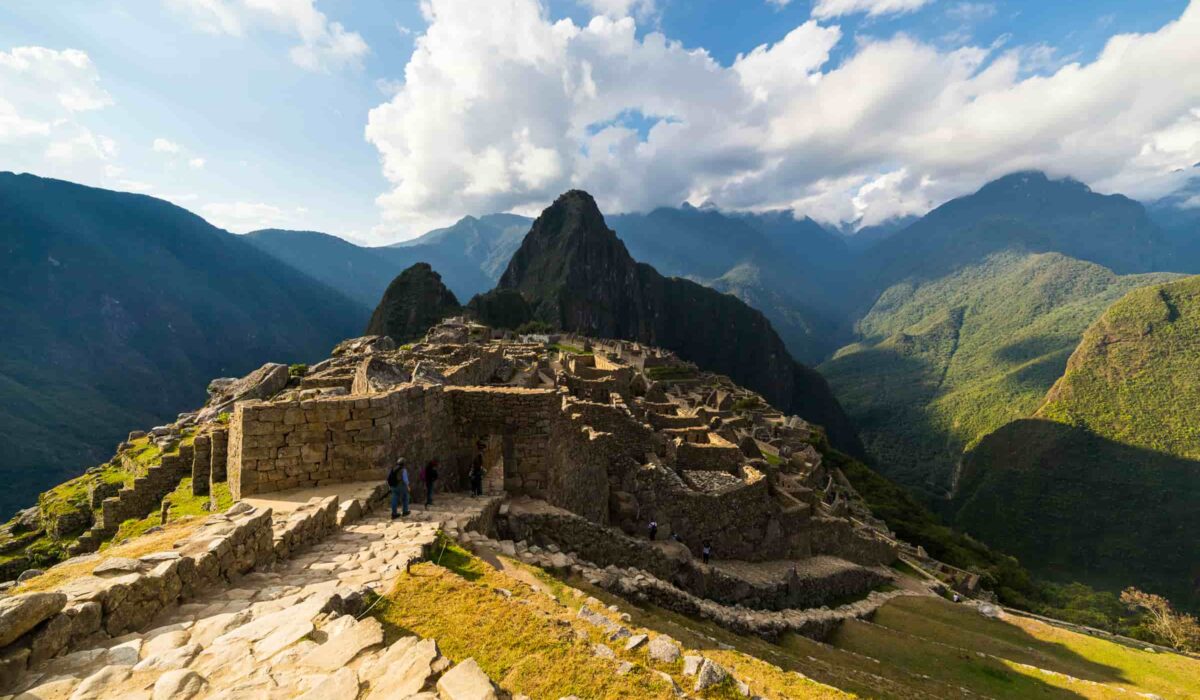
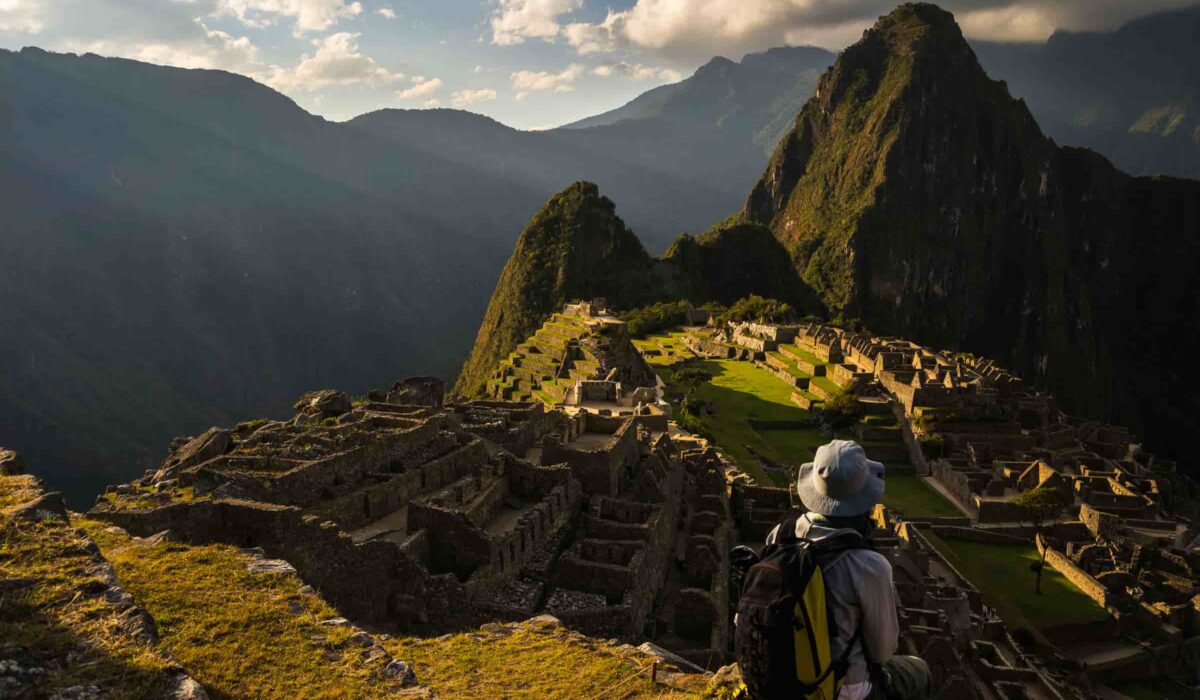
Distance covered: Approximately 250 km by road + 10 km on foot | Altitude range: 3,400 m (Cusco) → 4,316 m (Abra Málaga) → 2,040 m (Aguas Calientes)
Your adventure begins with a private door-to-door hotel pickup in a comfortable, fully-equipped tourist vehicle. Your guide will meet you at the lobby and give a brief overview of the day’s journey. Ensure you have your passport, camera, and packed daypack ready.
Depart Cusco heading northwest into the Sacred Valley of the Incas (Valle Sagrado). The route follows the Urubamba River through fields of corn, quinoa, and Andean flowers, with breathtaking views of Inca terracing on the hillsides. The valley sits at approximately 2,800 m above sea level and was the agricultural heartland of the Inca Empire.
We make a 15–20 minute stop in the living Inca town of Ollantaytambo, one of the best-preserved examples of Inca urban planning in existence. You can stretch your legs, visit a local café, or simply admire the massive Inca fortress that towers above the town. This town served as the last royal estate of the Inca emperor Manco Inca during the Spanish conquest.
The road begins a dramatic winding ascent through dramatic puna grasslands toward the Abra Málaga Pass, one of the highest points on this route at 4,316 meters above sea level. At the summit, on clear days, you will be rewarded with spectacular views of the Nevado Verónica glacier (5,682 m), one of the most photogenic peaks in the Cusco region. The air is crisp and cool — bring a jacket or light fleece. This point marks the climatic divide between the cold Andean plateau and the warm Amazon basin below.
The descent from Abra Málaga is one of the most visually stunning portions of the entire route. Within less than an hour, the barren altiplano gives way to lush cloud forests bursting with bromeliads, orchids, ferns, and exotic bird species. You will pass through a dramatic transition of biodiversity zones — from dry puna to subtropical cloud forest. Keep your camera ready as the views change every few minutes. The warm towns of Santa María (1,500 m) and Santa Teresa (1,600 m) appear nestled in the valley below, surrounded by coffee and cocoa plantations.
Arrive at the Hidroeléctrica Station (1,900 m), the location of Peru’s Machu Picchu hydroelectric power plant, which generates electricity for much of the Cusco region. Here, you will enjoy a generous buffet-style lunch at one of the local restaurants adjacent to the station. The menu typically includes rice, quinoa, chicken or beef, fresh salads, potatoes, and a traditional Peruvian soup. This is also a chance to refresh, use the facilities, and prepare for the afternoon walk.
This is the highlight of Day 1 — the legendary 10 km walk along the railway line from Hidroeléctrica Station to Aguas Calientes (Machu Picchu Town). The trail follows the narrow-gauge railway track along the bottom of the Urubamba River canyon, one of the most spectacular river gorges in South America. The walk is relatively flat with a gentle incline and takes approximately 2 to 2.5 hours at a comfortable pace.
Along the way you will be surrounded by towering jungle-clad mountains, rushing turquoise river water, dramatic waterfalls, orchids, and tropical birdlife. This walk has become iconic among backpackers and adventure travelers worldwide and offers a completely different perspective on the approach to Machu Picchu compared to arriving by train. The trail is safe, well-marked, and suitable for anyone in reasonable fitness.
Important: The walk is on and alongside the railway track. Please stay alert and step aside when trains pass. Your guide will brief you on safety before departure.
You arrive in Aguas Calientes (also known as Machu Picchu Pueblo), a colorful and vibrant town that sits at the base of Machu Picchu mountain at 2,040 m above sea level. Despite its small size, the town buzzes with life — lined with artisan markets, restaurants, cafés, and the constant sound of the Urubamba River rushing through the center. Check into your designated accommodation and freshen up.
Enjoy free time in Aguas Calientes to explore the town, visit the artisan market, or simply relax. We highly recommend visiting the famous Aguas Calientes hot springs (Baños Termales) — a 10-minute walk uphill from the town center. These natural thermal pools (not included in the base price) are the perfect remedy for tired legs after the afternoon walk. Admission costs approximately USD $5. The pools are open from 5:00 am to 10:00 pm daily and offer a magical experience surrounded by cloud forest.
Join the group for a welcome dinner at a selected local restaurant in Aguas Calientes. Over dinner, your specialist guide will conduct an informative and engaging evening talk covering the history, mythology, and architecture of Machu Picchu. You will learn about the Inca road system (Qhapaq Ñan), the purpose of the citadel, and fascinating theories about its construction and abandonment. This preparation will dramatically enhance your experience inside the citadel the following morning. Bedtime by 22:00 is recommended — it’s an early start tomorrow.
Altitude of Machu Picchu citadel: 2,430 m | Train journey: Approximately 1h 40min
Rise before dawn for an energizing breakfast at your hotel or a nearby café. An early start is essential to reach Machu Picchu before the peak visitor rush (typically 09:00–14:00). The experience of arriving at the citadel in the soft morning mist with few other tourists is truly extraordinary and worth every minute of the early alarm.
Board one of the Consettur buses that depart every few minutes from the bus stop in central Aguas Calientes. The bus winds up 8 km of switchback road to the entrance gate of Machu Picchu and takes approximately 25–30 minutes. Bus tickets are purchased separately at the bus stop (round trip approximately USD $24). Alternatively, very fit and motivated visitors can hike up the steep path in approximately 90 minutes — not recommended before a full day of walking the citadel.
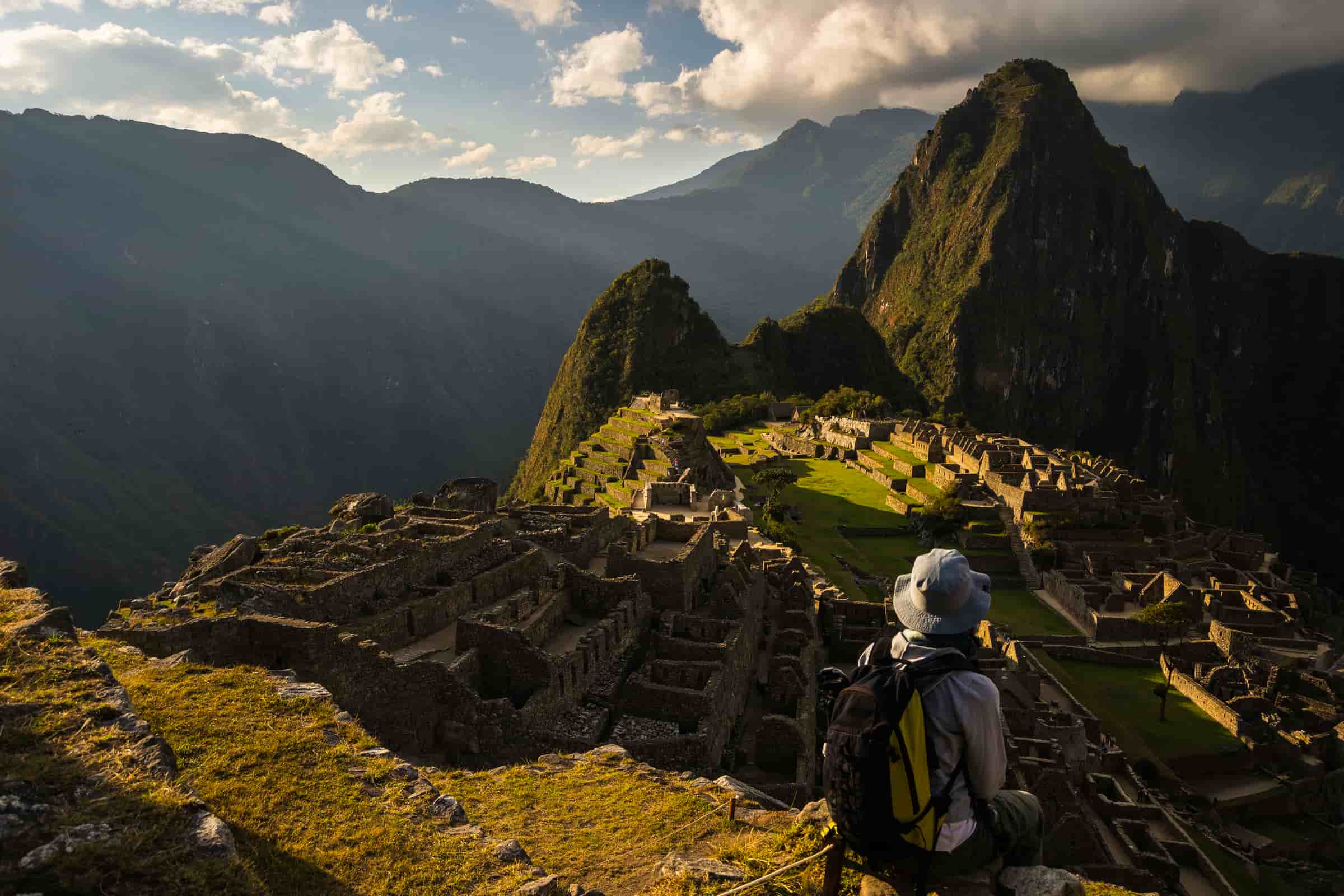
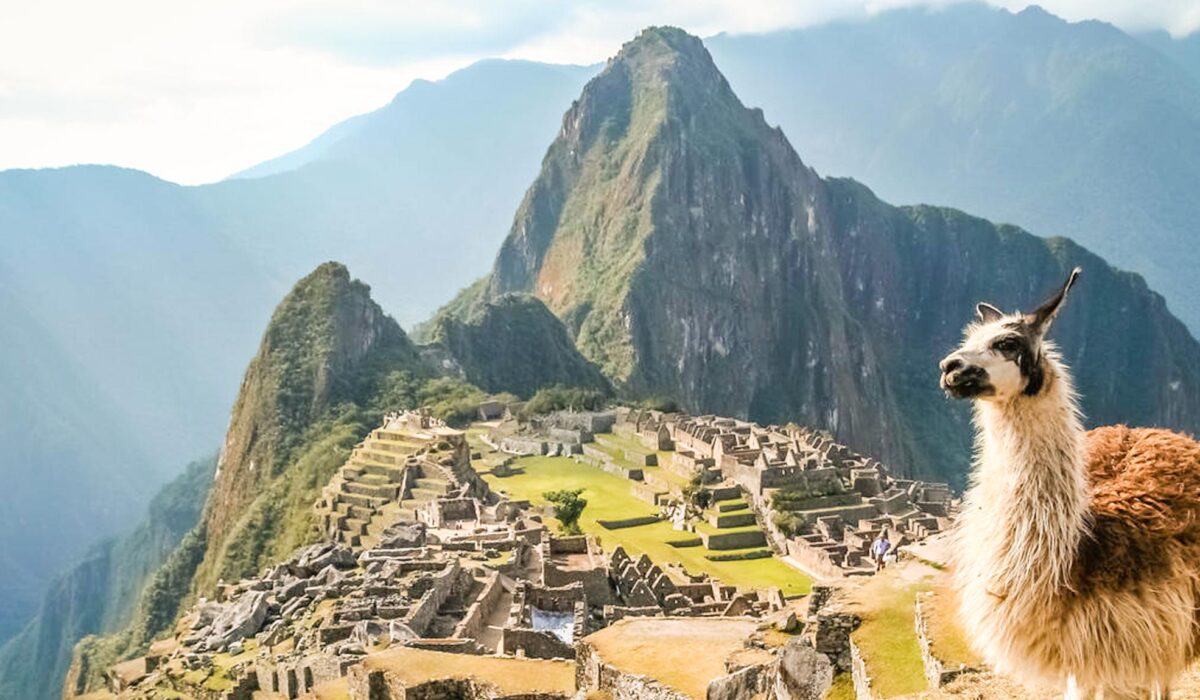
Enter the citadel of Machu Picchu, a UNESCO World Heritage Site and one of the Seven New Wonders of the World. Your specialist guide (a licensed Peruvian professional fluent in English) will lead an immersive and expertly narrated 2 to 2.5-hour tour of the main archaeological zones, including:
Your guide will narrate the stories behind each structure using the latest archaeological research combined with traditional Quechua oral history. This is not a rushed walkthrough — it is an immersive cultural and historical experience designed to leave you with a genuine understanding of and connection to the Inca civilization.
After the guided tour, you have the remainder of the day to spend as you wish. Options include:
Board your assigned scenic panoramic train at Aguas Calientes station. The train journey through the Sacred Valley takes approximately 1 hour and 40 minutes and is a stunning experience in itself — wide windows reveal the dramatic canyon landscape, cloud forests, and the rushing Urubamba River as you glide through the mountains. The train arrives at Ollantaytambo Station.
At Ollantaytambo Station, your private tourist vehicle will be waiting to transfer you comfortably back to Cusco. The drive takes approximately 1.5 to 2 hours depending on traffic. You will arrive in Cusco between 21:30 and 22:30 and be dropped off at your hotel. Your tour concludes here — but the memories will last a lifetime.
The route passes through Abra Málaga at 4,316 m — one of the highest points on this journey. However, since the time spent at this altitude is brief (approximately 30–45 minutes in the vehicle), most people do not experience significant symptoms. If you are newly arrived in Cusco, we recommend spending at least 2–3 days acclimatizing in the city before departing on this tour. Drink plenty of water, avoid alcohol on the evening before departure, eat light meals, and consider coca leaf tea (freely available in Cusco and proven to relieve mild altitude symptoms). If you have a history of severe altitude sickness, please consult your physician and inform us at the time of booking.
Machu Picchu can be visited year-round, but each season offers a different experience:
Peru’s official currency is the Peruvian Sol (PEN). As of 2024, the exchange rate is approximately 3.7–3.8 soles per 1 USD. USD is widely accepted in Aguas Calientes restaurants and shops, though you will generally receive better value using local currency. There are two ATMs in Aguas Calientes (inside the town center) — we recommend withdrawing cash in Cusco before departure, as ATM availability in Aguas Calientes is limited and fees are high. Avoid currency exchange in the train station or tourist-facing shops where rates are unfavorable.
WiFi is available in most hotels and restaurants in Aguas Calientes, though speeds can be slow due to the remote location. Mobile signal (Claro and Movistar are the main carriers) is available in Aguas Calientes but absent along the Hidroeléctrica walk and in most of the jungle sections between Santa María and the station. Download offline maps (Google Maps or Maps.me) before departure. There is no signal inside Machu Picchu citadel itself.
Cusco, the historic capital of the Inca Empire, sits at 3,400 meters above sea level in the Peruvian Andes. It is one of South America’s most visited cities and serves as the gateway to Machu Picchu and the Sacred Valley. The city is served by the Alejandro Velasco Astete International Airport (CUZ), which receives direct flights from Lima, Bogotá, Santiago, and several other South American cities. Lima is the main hub for international connections. Flight time from Lima to Cusco is approximately 1 hour 15 minutes.
Based on years of experience accompanying travelers from around the world, here are our most valuable insider tips for getting the absolute most out of your trip:
Book fast and easy on our website and keep track of your reservation with our most advanced booking system, be updated on our discounts every week.