

ATV Huaypo – Salineras de Maras 1 Day ATV

2 Days from US $ 0.00
Max Altitude
Trip Length
2 Days
Group Size
Physical Level
Easy
Trip Style
LODGING TYPE

Overview

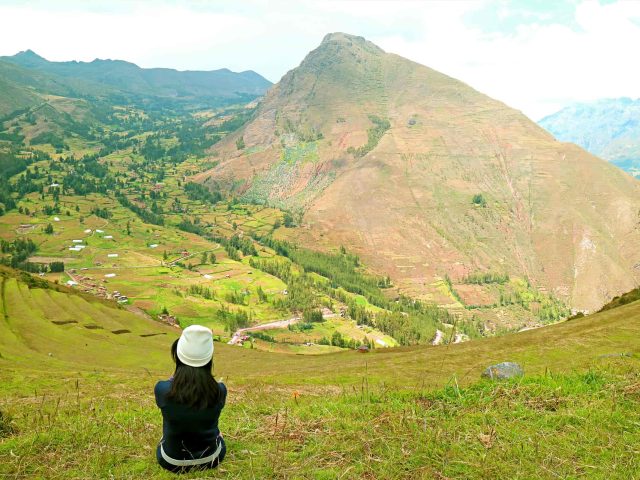
Strap on your helmet, grip the handlebars, and prepare for one of the most thrilling outdoor experiences available in the Cusco region. This ATV adventure combines raw off-road excitement with some of the most historically significant and visually stunning destinations in the Sacred Valley: the tranquil Huaypo Lagoon, the enigmatic Moray Archaeological Center, the charming colonial town of Maras, and the ancient and spectacular Salineras de Maras — over 3,000 salt terraces carved into a mountainside and still actively harvested by local Andean families using techniques unchanged since the Inca Empire. This is not just a tour — it is a full sensory experience of the Peruvian Andes on four wheels.

The ATV Huaypo – Salineras de Maras tour is one of the most popular and exhilarating half-day adventures available from Cusco, combining the thrill of off-road quad biking with authentic encounters with the Sacred Valley’s most compelling natural and archaeological landmarks. The tour departs from Cusco city and travels by private vehicle to the ATV base at Kilometer 39 of the Cusco–Ollantaytambo highway in the area of Cruzpata, where the quad bike adventure begins.

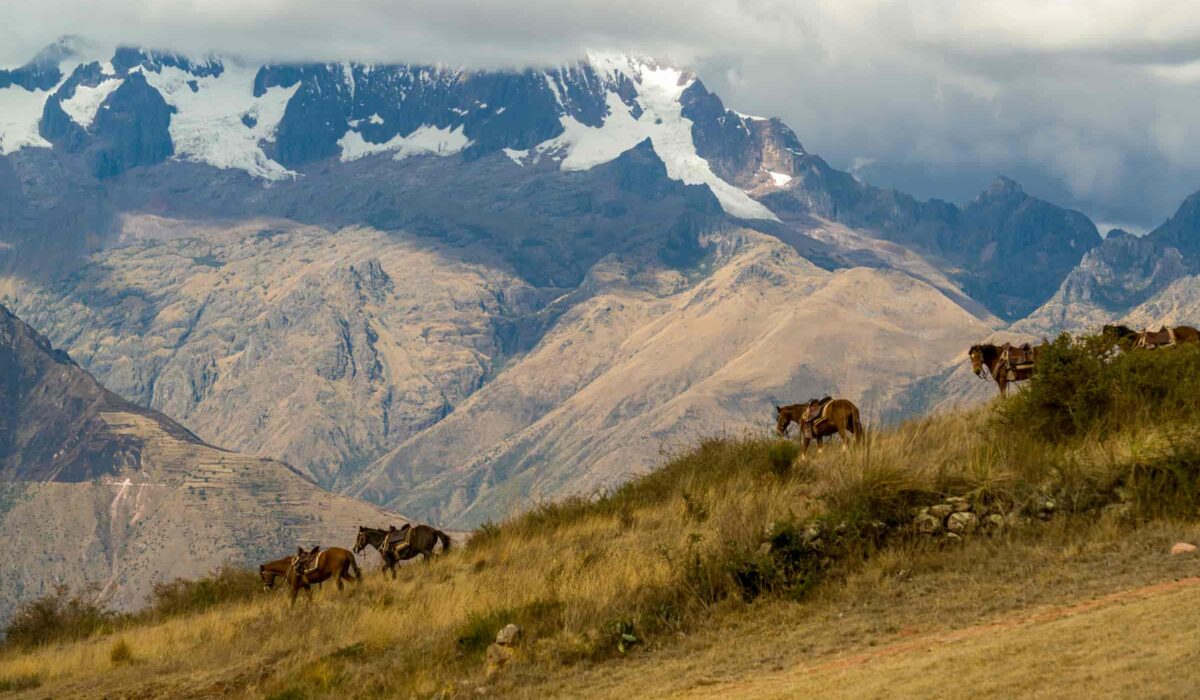
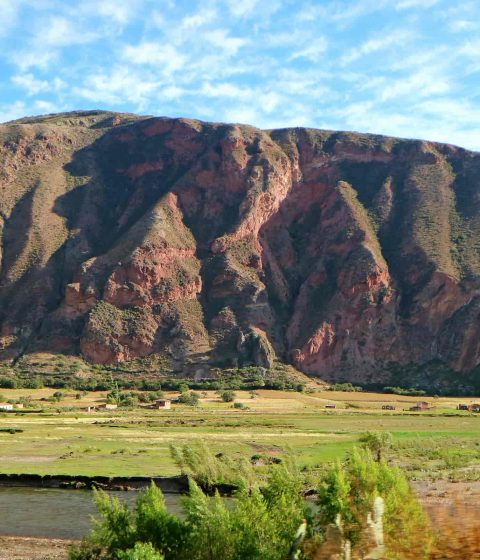
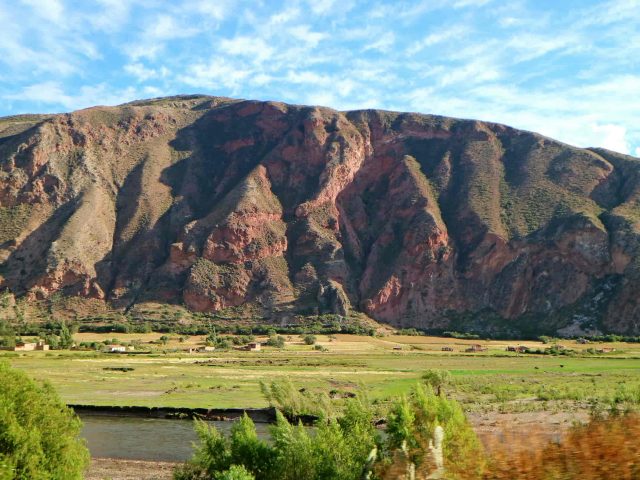
From the moment you mount your ATV, the route takes you through an extraordinary variety of Andean terrain — open puna grasslands, agricultural plateaus, winding mountain trails, and colonial village cobblestones — with panoramic views of snow-capped peaks including Nevado Verónica and Nevado Chiquito at every turn. Stops at the Inca agricultural laboratory of Moray and the remarkable salt mine complex of Salineras de Maras add profound historical and cultural depth to what is already an adrenaline-fueled outdoor experience.

Available in both a morning departure (07:00 AM) and an afternoon departure (01:00 PM), this tour fits easily into any Cusco itinerary and requires no prior off-road driving experience. It is perfect for solo travelers, couples, families, and groups of friends seeking an authentic and action-packed Sacred Valley experience beyond the standard bus-and-walk format.
2 Days from
$ 0.00
per person
ATV Huaypo – Salineras de Maras 1 Day ATV ATV Huaypo – Salineras de Maras 1 Day ATV ATV Huaypo – Salineras de Maras 1 Day ATV ATV Huaypo – Salineras de Maras 1 Day ATV ATV Huaypo – Salineras de Maras 1 Day ATV ATV Huaypo – Salineras de Maras 1 Day ATV ATV Huaypo – Salineras de Maras 1 Day ATV ATV Huaypo – Salineras de Maras 1 Day ATV ATV Huaypo – Salineras de Maras 1 Day ATV

Highlights

  • Ride powerful all-terrain quad bikes (ATVs) through the dramatic landscapes of the Sacred Valley
  • Marvel at panoramic views of Nevado Verónica (5,682 m) and Nevado Chiquito — two of the most magnificent glaciated peaks in the Cusco region
  • Enjoy the serene beauty of Huaypo Lagoon, a high-altitude lake surrounded by Andean mountains, native birdlife, and cultivated terraces
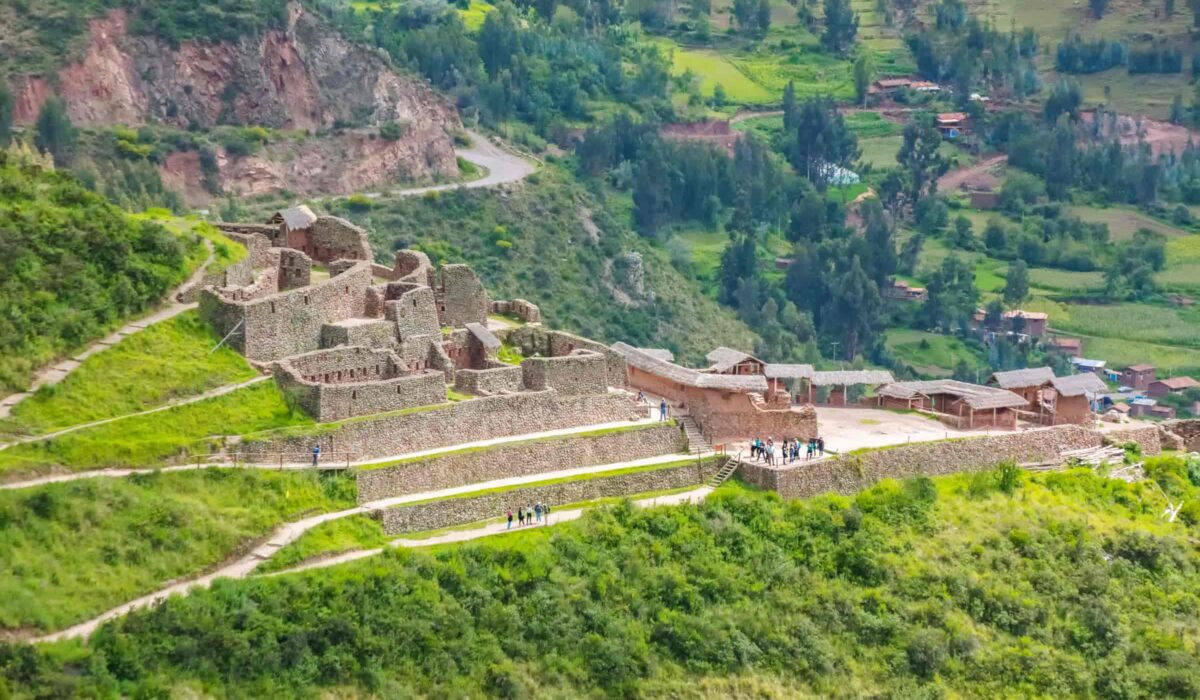
  • Explore the mysterious Moray Archaeological Center — the Inca’s extraordinary circular agricultural terracing laboratory, unique in the entire world
  • Ride through the living colonial town of Maras, founded in the 16th century and one of the oldest Spanish-founded settlements in the region
  • Visit the Salineras de Maras — over 3,000 individual salt pools carved into the mountainside and still in active use, a breathtaking spectacle unlike anything else in South America
  • Experience both ascending and descending mountain terrain for a varied and exciting riding experience
  • Two daily departures offering flexibility: morning (07:00 AM) for cool air and golden light; afternoon (01:00 PM) for warm conditions and dramatic late-afternoon colors on the salt terraces
  • Full safety briefing and 10–15 minute training session before departure — no experience necessary
  • Private return transportation from the ATV base back to your hotel in Cusco

Trip Details

  • Duration: Half Day (approximately 5–6 hours)
  • Difficulty: Easy to Moderate (no prior ATV experience required)
  • Minimum Age: 16 years old to drive / 8 years old as passenger
  • Departures: 07:00 AM and 01:00 PM daily  |  Starting Point: Cusco city center hotel pickup

Itinerary

DAY 1:

Salineras de Maras: Ultimate Quad Bike

The itinerary below is described for the morning departure (07:00 AM). The afternoon departure (01:00 PM) follows the exact same sequence, shifted approximately 6 hours forward.

07:00 | Hotel Pickup in Cusco

Your adventure begins with a punctual door-to-door hotel pickup at 07:00 AM in a comfortable private tourist vehicle. Your guide or driver will contact you the evening before to confirm your exact pickup time and location. Make sure you have packed your sunscreen, jacket, camera, and cash for entrance fees (see inclusions section). The morning departure offers the best conditions for photography — softer golden light, cooler temperatures, and fewer visitors at the archaeological sites.

07:00 – 08:00 | Private Transfer to ATV Base (Cruzpata, Km 39)

Your private vehicle departs Cusco and heads northwest along the Cusco–Ollantaytambo Highway, one of the main arteries connecting the city to the Sacred Valley. The journey takes approximately 45 minutes to 1 hour. As you leave Cusco’s urban sprawl behind, the landscape opens up to the vast altiplano of the Sacred Valley, with its patchwork of agricultural fields, eucalyptus groves, and distant snow-capped mountains. Your guide will offer an orientation briefing during the transfer, introducing the key destinations on today’s route and answering any questions you may have about the tour and the region.

You will arrive at the ATV base camp at Cruzpata, located at approximately Kilometer 39 of the highway, at an altitude of around 3,500 meters above sea level. The facility includes a reception area, storage for personal belongings, toilets, and a gear station.

08:00 – 08:20 | Safety Briefing & ATV Training Session

Before mounting the ATVs, every participant receives a mandatory safety briefing and training session of approximately 10–15 minutes led by a certified ATV instructor. The session covers:

  • ATV controls: throttle, brakes, gear shift (automatic), steering
  • Safe riding posture and body position for uphill and downhill sections
  • How to navigate curves, loose gravel, and uneven terrain
  • Group riding protocols: safe following distance, hand signals, speed limits
  • Emergency stop procedures
  • Helmet and protective gear fitting

You will then complete a short practice circuit within the base area to get comfortable with your vehicle before heading onto the open trail. No prior motorcycle, quad, or off-road experience is required. Most participants feel confident and ready within the first 5 minutes of practice. Helmets, goggles, and gloves are provided for all riders. Dust jackets and knee guards are available upon request.

08:20 – 08:30 | Departure from ATV Base & Ascent to First Viewpoint

The ATVs roll out from the base and immediately the adventure begins. The first section of the trail takes you along a mountain path ascending through open puna grassland. The terrain is firm and well-maintained for the initial stretch, making it an ideal warm-up section for first-time riders. The scale of the Andean landscape around you is immediately arresting — vast open skies, rolling mountain ridges, and the first glimpses of the valley floor far below.

08:30 | First Stop: Panoramic Viewpoint – Nevado Verónica & Nevado Chiquito

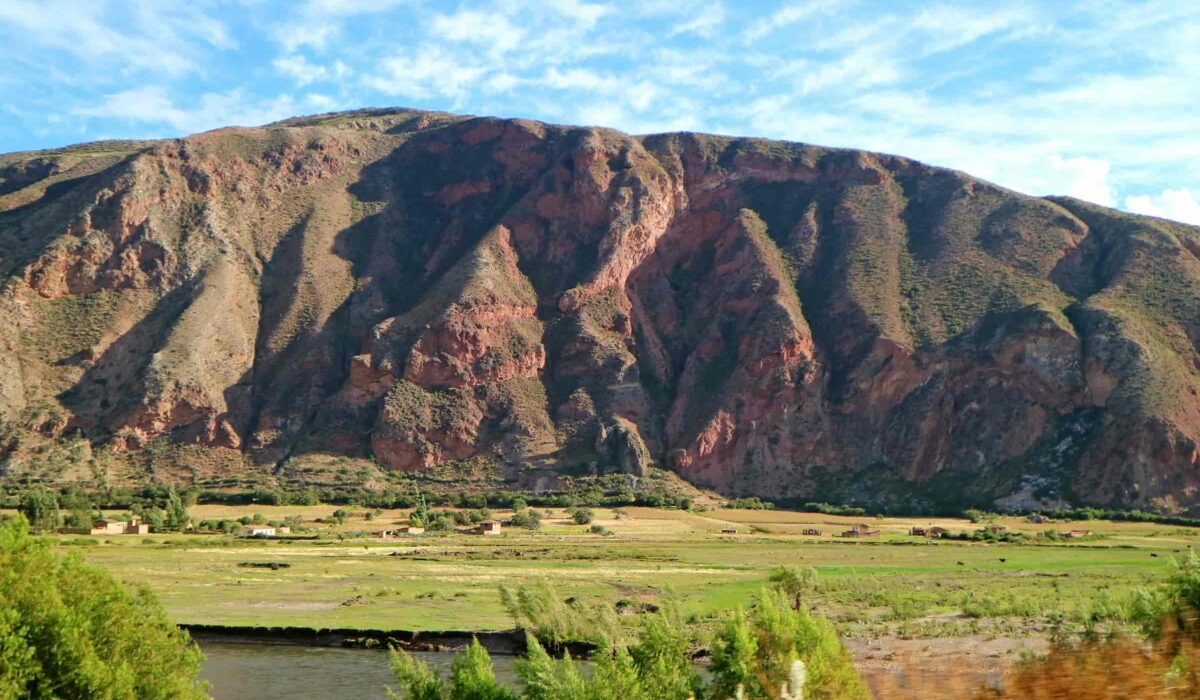
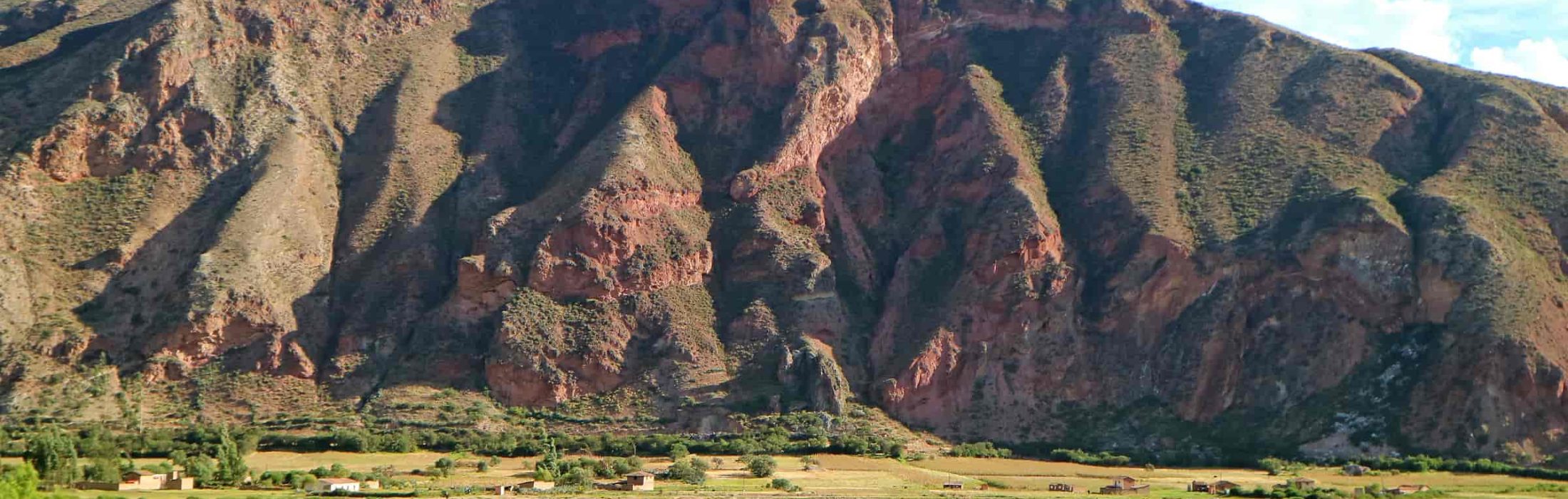
Approximately 10 minutes after departing the base, the group makes its first stop at a dramatic panoramic viewpoint with unobstructed 180-degree views of the surrounding mountain range. On clear days — most common in the morning — you can see the glaciated summits of Nevado Verónica (5,682 m), one of the most sacred and visually imposing peaks in the Cusco region, and Nevado Chiquito, a neighboring glaciated peak. Both mountains are deeply significant in Andean cosmology and are considered Apus — sacred mountain deities that protect the communities living in their shadows.

Your guide will explain the cultural and geographic significance of these peaks while you take photographs. This is a spectacular location and deserves a few unhurried minutes. The morning light is particularly dramatic at this viewpoint.

08:30 – 09:30 | ATV Ride Through Mountain Terrain – Ascents, Descents & Valley Views

After the viewpoint stop, the route enters its most technically varied and exciting phase. The trail weaves through a combination of mountain ridges, steep descents, tight curves, and open plateau stretches as it crosses the terrain between the viewpoint and the Moray Archaeological Center. This section features:

  • Long, sweeping downhill sections with breathtaking valley panoramas ahead of you
  • Narrow mountain trail sections flanked by wildflowers, cactus, and native Andean vegetation
  • Open plateau crossings where you can open up the throttle on flat, firm ground
  • A passing view of the Huaypo Lagoon — a serene, glittering high-altitude lake nestled in a wide valley basin, home to Andean ducks, coots, and other native waterbirds. Depending on the route and conditions, the guide may take the group to a specific viewpoint overlooking the lagoon.

Total riding time on this section is approximately 45–60 minutes, and it is the most varied and adrenaline-rich portion of the tour. Your guide rides ahead of the group to lead and pace, while a support rider follows at the rear to assist anyone who needs help. No rider is left behind.

09:30 – 09:50 | Stop at Moray Archaeological Center (15-minute visit)

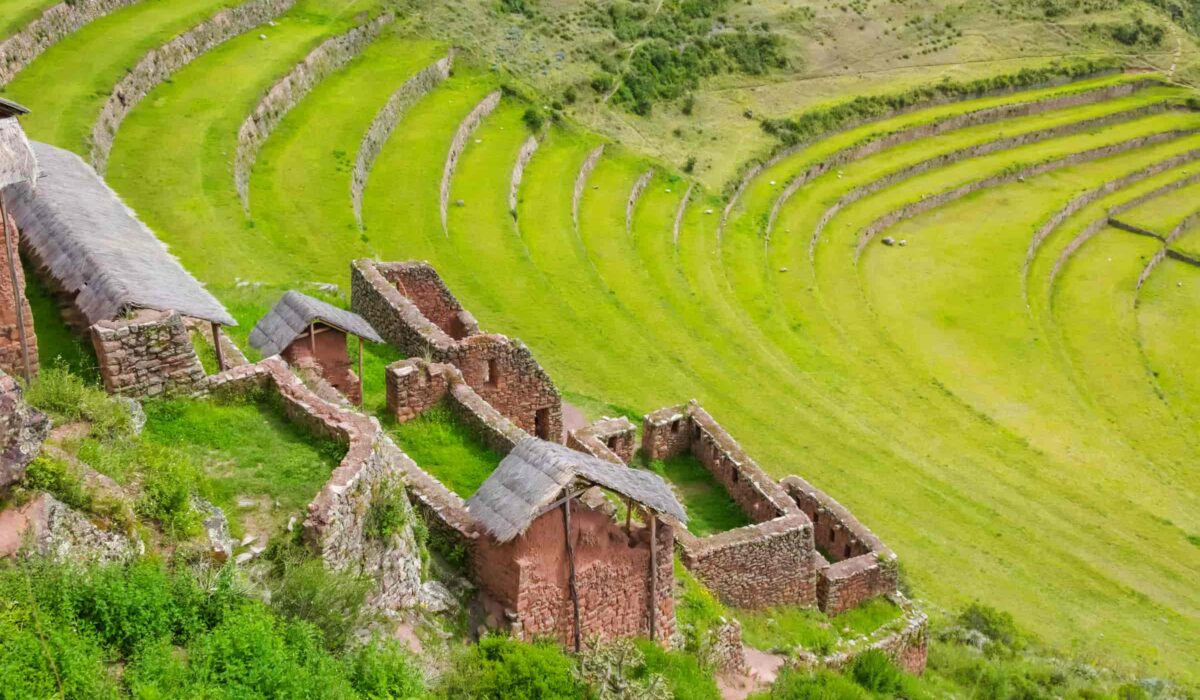
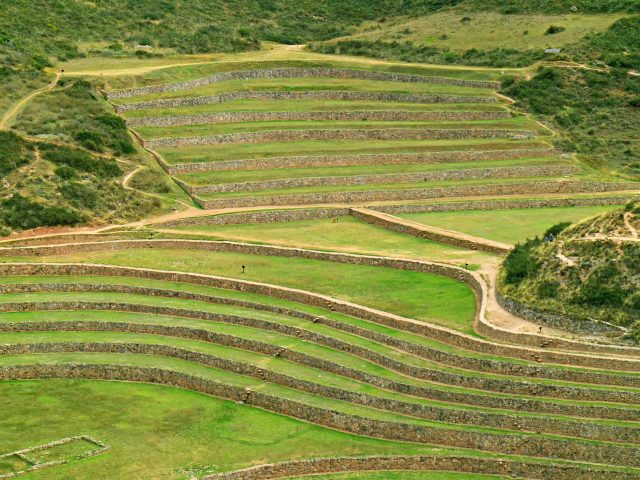
The ATVs arrive at the Moray Archaeological Center, one of the most extraordinary and mysterious Inca sites in the Sacred Valley. Moray consists of a series of massive circular terracing systems (cochas) carved into natural depressions in the landscape — the largest reaching approximately 30 meters in depth from the top ring to the bottom. The design creates a series of distinct microclimates at different depths, with temperature differences of up to 15°C between the top and bottom terraces.

Archaeological evidence and modern research indicate that Moray functioned as an Inca agricultural experimentation center — a living laboratory where Inca scientists and agronomists tested different crops, soil types, and growing conditions at different simulated altitudes. In essence, it was the world’s first known controlled agricultural research facility, predating European scientific methodology by centuries.

During the 15-minute stop, your guide will explain the site’s purpose, construction, and the remarkable Inca engineering principles behind its creation. The visual impact of the concentric rings disappearing into the earth is unlike anything else in the archaeological world and makes for extraordinary photographs. Note: Entrance to Moray is included in the base tour price.

09:50 – 10:20 | Ride Through the Town of Maras

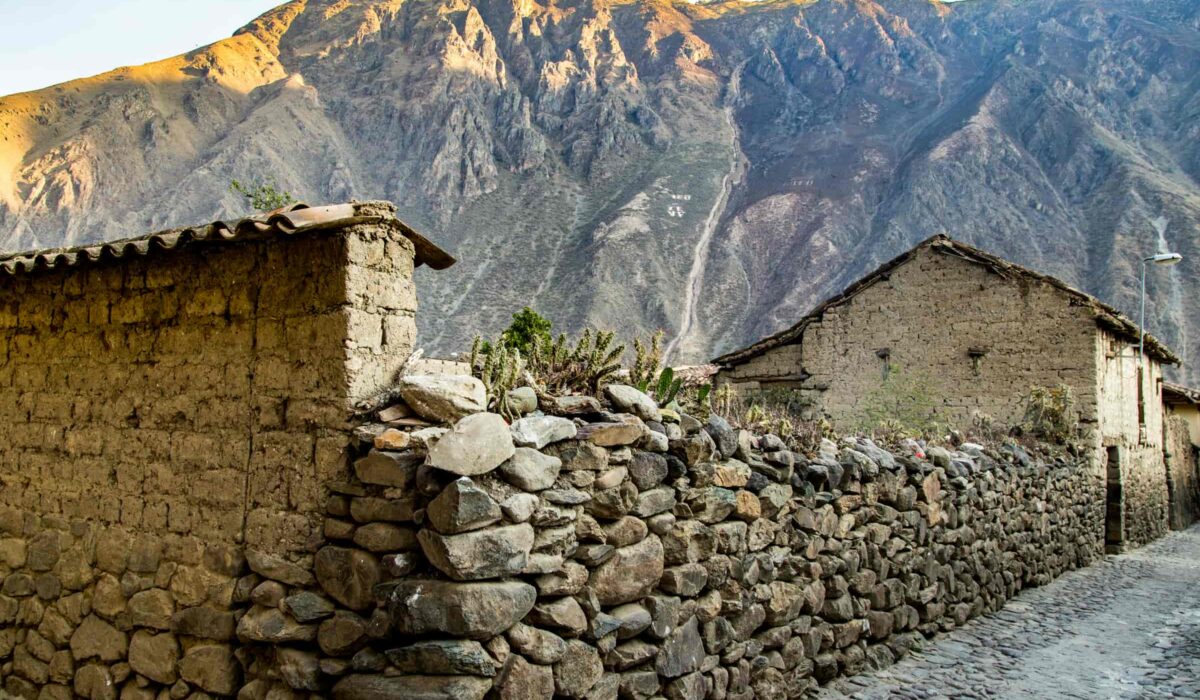
Departing Moray, the ATV route passes through the colonial town of Maras, one of the oldest Spanish-founded settlements in the Sacred Valley region. Founded in the 16th century on the site of a pre-Inca and Inca settlement, Maras retains its colonial character with cobblestone streets, a central plaza anchored by the San Francisco de Asís Church (built in 1568), and traditional adobe and stone homes decorated with carved wooden balconies. Many residents still speak Quechua as their first language and maintain traditional Andean dress, particularly among the older generation.

Riding through the town on the ATVs is a vivid and memorable experience — the sound of the engines echoing off stone walls, the curious and friendly faces of local residents, the smell of fresh bread and chicha from nearby homes. The guide will point out key landmarks as you pass through. A brief photo stop in the town plaza can be arranged on request.

10:20 – 10:50 | Arrival at Salineras de Maras Checkpoint & Shuttle Transfer

The ATV route descends toward the Salineras de Maras, arriving at the official entrance checkpoint at the top of the salt mine complex. Due to the steep and narrow road descending into the Salineras, ATVs are not permitted beyond this point for safety and conservation reasons. From the checkpoint, our agency provides a complementary 15-minute round-trip shuttle service to the viewing platforms and active salt terraces below.

10:50 – 11:30 | Visit to the Salineras de Maras (Salt Mines)

The Salineras de Maras are one of the most visually stunning and culturally significant sites in all of Peru. Descending into the valley, the full scale of this extraordinary landscape unfolds before you: over 3,000 individual salt evaporation pools cascade down the hillside in tiers of white, pink, orange, and terracotta, covering an area of approximately 40 hectares. The pools range in size from a few square meters to over 20 square meters and gleam brilliantly in the Andean sunlight.

The salt springs that feed the pools emerge from an underground saline stream known as Qoripujio, which flows year-round at a constant temperature and salinity. Salt has been harvested here continuously since long before the Inca Empire — archaeological evidence suggests salt production at Maras dates back over 2,000 years. Today, approximately 120 local families from the Maras community manage and harvest their inherited salt pools using exactly the same techniques as their Inca ancestors: controlling water flow with small hand-built channels, waiting for evaporation, and harvesting the crystallized salt by hand with wooden rakes.

During your visit you will:

  • Walk along the viewing paths between the active salt pools
  • Observe local salt harvesting in action (harvesting occurs most actively between July and November)
  • Learn about the geology, history, and community management of the Salineras from your guide
  • Photograph the pools from multiple angles — the views from above looking down across the entire complex are particularly spectacular
  • Visit the on-site artisan stalls selling locally produced Maras salt in various grades and flavors — an excellent and unique gift from Peru

Note: The entrance fee to the Salineras de Maras is not included in the base tour price. See the pricing section for options. Current admission is approximately S/. 10 (USD $3) per person — managed and administered directly by the local Maras community cooperative.

11:30 – 12:00 | Return Shuttle to ATV Checkpoint & Ride Back to Base

After your visit to the Salineras, the shuttle returns you to the ATV checkpoint. From here, you remount your quad bikes for the return ride to the base at Cruzpata. The return route offers different views and angles of the landscape covered on the way out, and your improved confidence with the ATV by this point of the tour means most riders find the return journey the most enjoyable of all — faster, more fluid, and with a fuller appreciation of the terrain.

12:00 – 13:00 | Return Transfer Cusco

Back at the ATV base, return your gear, collect your personal belongings, and board the private vehicle for the return transfer to Cusco. Journey time is approximately 45 minutes to 1 hour. You will be dropped off directly at your hotel in Cusco. Your guide will be available to answer any questions, recommend restaurants for lunch, or provide information about other activities in Cusco and the Sacred Valley for the rest of your trip.

Estimated return time to Cusco: 13:00 for the morning departure / 19:00 for the afternoon departure.

Inclusions

Included

  • Round-trip private transportation Cusco ↔ Cruzpata ATV Base (Km 39)
  • All-terrain quad bike (ATV) and fuel for the full tour duration
  • Helmet, goggles, and gloves for all riders
  • 10–15 minute safety briefing and guided training session at the base
  • Professional certified ATV guide leading the group throughout the route
  • Rear support rider for group safety
  • Entrance fee to Moray Archaeological Center
  • Shuttle service from the Salineras checkpoint to the salt terraces and back (15-minute round trip)
  • All fuel, driver costs, and road tolls for transport vehicle
  • First aid kit and emergency support at the ATV base
  • 24/7 agency support contact during your tour

No Included

  • Entrance fee to Salineras de Maras (approximately S/. 10 / USD $3 per person — paid directly to the local community at the entrance)
  • Entrance fee to Moray for foreign visitors requiring a Boleto Turístico (Tourist Pass) — see note below
  • Lunch or food of any kind (the tour returns to Cusco in time for lunch — your guide can recommend excellent nearby restaurants)
  • Personal travel insurance
  • Tips for guides, drivers, and instructors (customary and appreciated)
  • Any personal expenses, souvenirs, or beverages
  • Cusco Tourist Ticket (Boleto Turístico) if not already purchased — required for Moray and available for purchase at the site or in advance in Cusco
  • Dust jacket and knee/elbow protection pads (available on request at the base — please ask at time of booking)

What Do You Need To Bring

Essential Items to Bring

  • Passport or government-issued ID — required for booking and may be requested at the Moray entrance checkpoint
  • Sturdy, closed-toe shoes — ideally ankle-supporting trail shoes or trekking boots. You will be walking on uneven terrain at Moray and the Salineras. Absolutely no open-toed shoes, sandals, or high heels. Smooth-soled fashion shoes are dangerous on the ATV foot pegs.
  • Clothes you don’t mind getting dusty — the ATV trail kicks up considerable dust in the dry season. Wear comfortable pants (not shorts — foot pegs are hot) and a top you are comfortable getting dirty. The dust is fine and harmless but will settle on everything.
  • Sunglasses — essential for comfort and safety on the ATVs. Goggles are provided at the base but personal prescription glasses wearers should bring their own. The dust and wind at speed make eye protection non-optional.
  • Sunscreen SPF 50+ — the Sacred Valley receives extremely intense UV radiation at 3,300–3,600 m altitude. Apply 30 minutes before departure and carry it for reapplication.
  • Warm jacket or fleece — the Andean plateau can be cold in the morning and after sunset even in summer. The 07:00 AM departure will be particularly cool. A windproof layer is recommended for the ATV riding sections regardless of the season.
  • Light rain jacket — useful as both a windbreak on the ATVs and rain protection during the rainy season (November–April). Even in the dry season, brief afternoon showers can occur.
  • Camera or smartphone (well secured) — the landscapes on this tour are extraordinary and you will want to photograph them. Use a chest harness, wrist strap, or secure zip pocket — do not hold your phone loosely while riding.
  • Cash (PEN soles or USD) — for the Salineras entrance fee (approx. S/. 10), any salt or artisan purchases at the Salineras stalls, and tips. Card payment is not available at the salt mine entrance.
  • Water bottle — minimum 1 liter. Staying hydrated at altitude is essential. We recommend bringing a filled reusable bottle. Refill options are limited on the trail.
  • Small daypack or fanny pack — to carry your essentials during the riding sections. A small waist pack or secure backpack is more practical than a shoulder bag on the ATVs.
  • Hat or bandana — for sun protection and dust filtration during riding sections. A full-face balaclava or buff is excellent for dusty conditions.

Faqs

Absolutely not. No prior ATV, motorcycle, or off-road experience is required whatsoever. Our 10–15 minute safety briefing and hands-on training session at the base is specifically designed to bring complete beginners to a comfortable riding level before the tour begins. The ATVs we use are automatic transmission models — there is no manual gearshift to worry about. The route is graded to be accessible to first-time riders while still being genuinely exciting. In our experience, 95% of first-time riders report that they felt confident and comfortable within the first 10 minutes of the tour. Children under 16 are welcome as passengers on an adult’s ATV — they receive a helmet and are safely secured behind the adult rider. If you have any specific concerns about operating the ATV, please contact us before booking and we will honestly advise whether this tour is the right fit for you.
Our fleet consists of modern semi-automatic all-terrain quad bikes in the 200cc–250cc engine range, specifically selected for their balance of power, controllability, and reliability on mountain terrain. These are purpose-built agricultural and recreational ATVs with low center of gravity, wide wheelbase, and all-terrain tires — not racing machines. They are powerful enough to handle the ascents and descents on the route comfortably and responsive enough to give experienced riders a genuine thrill, while remaining controllable and predictable for beginners. Maximum speed on the trail is governed by your guide’s pace, which is always calibrated to the skill level and confidence of the group. We never push beginners to ride faster than they are comfortable with. The ATVs are serviced after every operating day by a certified mechanic at our base.
Yes, children can participate in the tour as passengers (pillion riders) on a parent or guardian’s ATV. The minimum age for a passenger is 8 years old, and helmets sized for children are available at the base. Children under 16 are not permitted to operate their own ATV independently due to insurance and safety regulations, regardless of perceived ability. Children aged 16 and over with appropriate physical size and coordination can operate their own ATV after completing the training session, at the guide’s discretion. Children aged 8–15 riding pillion are charged at a reduced rate (see pricing section). The tour is genuinely family-friendly and we frequently operate with mixed groups of adults and children — please let us know the ages of all participants when booking so we can prepare the appropriate gear.
Yes — we operate this tour year-round, including during the rainy season. In fact, many experienced travelers specifically prefer the rainy season for the lush green landscape, dramatically misty mountains, more vivid colors at the Salineras, and significantly fewer tourists at both Moray and the salt mine complex. The ATV trails are well-maintained and passable in wet conditions, though they become more muddy and slippery — which many riders find adds to the adventure. We recommend wearing waterproof shoes and bringing a rain jacket during rainy season months. In the event of extreme weather conditions (heavy storms, dangerous trail flooding) we reserve the right to modify or cancel the tour on safety grounds, in which case a full refund or free rescheduling is offered with no penalty. Light rain is not a cancellation condition — the tour proceeds. We provide clear weather information to all booked clients 24 hours before departure.
Because the road descending from the Salineras checkpoint to the salt pool entrance is steep, narrow, and uneven — and ATVs are prohibited beyond the checkpoint for conservation reasons — our agency includes a complimentary shuttle service that transports the group from the ATV parking area down to the Salineras entrance gate and back. The shuttle is a standard small vehicle (van or minibus depending on group size) and the journey takes approximately 7–8 minutes each way. At the Salineras themselves, the visit involves walking along the designated viewing path between and above the salt pools — a mostly flat to gently sloping walk of approximately 800 meters round-trip. The terrain consists of packed dirt and gravel paths, and the walk is suitable for all fitness levels. We recommend wearing closed-toe shoes with grip for safety on the paths, which can be slippery if recently wet. The total time at the Salineras — including the shuttle ride — is approximately 35–40 minutes, which is sufficient for a thorough visit and excellent photographs.

Travel Guide

Huaypo Lagoon (Laguna Huaypo)

Located at approximately 3,600 meters above sea level in the Anta Province of the Cusco region, Huaypo Lagoon is a beautiful natural high-altitude lake stretching approximately 2.5 km in length. The lagoon is fed by Andean snowmelt and underground springs and remains a remarkably pristine body of water surrounded by totora reed beds, agricultural terraces, and rolling puna grasslands.

The lake is an important habitat for Andean waterbirds including the Andean coot, puna teal, Andean duck, great grebe, and various species of heron. Flamingos are occasionally sighted. The surrounding wetlands are used by local communities for traditional fishing (mainly rainbow trout and pejerrey) and reed harvesting. The area around the lagoon is steeped in local mythology — Andean oral traditions describe Huaypo as a sacred body of water associated with rain deities (Apu Huaypo).

The ATV route provides a memorable elevated perspective of the lagoon from the hillside trails above, with the glittering water contrasting against the greens and yellows of the surrounding agricultural fields. Depending on the specific route taken on the day, the group may stop at a designated viewpoint above the lagoon.

Moray Archaeological Center

Located at approximately 3,500 meters above sea level near the town of Maras in the Sacred Valley, Moray is one of the most architecturally and scientifically fascinating Inca sites in Peru. The complex consists of three main circular terracing systems, known in Quechua as qochas or sunken bowl terraces. The principal and largest structure, the Qechuyoc Moray, is composed of seven concentric rings of terracing descending approximately 30 meters into the earth with a diameter of roughly 220 meters at the top.

The Incas engineered each level with a specific soil composition, drainage system, and microclimate in mind. The temperature at the top terrace averages around 15°C, while the bottom reaches up to 30°C — a designed range corresponding to different altitudinal growing zones across the Inca Empire. Modern analysis has identified traces of over 250 different plant species in the Moray soil, suggesting the site was used to acclimate crops from different ecological zones for cultivation throughout the empire.

Moray was partially excavated by American archaeologist John Earls in the 1970s and 1980s, and subsequent work by Peruvian archaeologists has significantly advanced understanding of its function. The site became a UNESCO World Heritage Site as part of the broader Machu Picchu Historical Sanctuary designation and receives approximately 300,000 visitors annually — though far fewer than Machu Picchu, making it a less crowded and more intimate experience.

Maras Colonial Town

The town of Maras sits at approximately 3,300 meters above sea level on a high plateau above the Sacred Valley. Founded by Spanish colonists in the 16th century, the town was built partially on the foundations of earlier Inca and pre-Inca settlements and retains many architectural features from both eras. The central plaza is surrounded by colonial-era stone buildings, and the Church of San Francisco de Asís (circa 1568) remains an active place of worship with an ornate interior featuring original colonial artwork and Baroque altarpieces.

The town’s economy has historically been based on salt production (from the nearby Salineras), agriculture, and traditional textile weaving. The Saturday market in Maras is a genuine local affair — distinct from the tourist-oriented markets in Pisac or Chinchero — where community members trade local produce, livestock, and handcrafts. Maras is considered one of the best-preserved examples of a living colonial highland town in the Cusco region and receives far fewer tourist visits than its nearby counterparts, preserving a more authentic atmosphere.

Salineras de Maras (Maras Salt Mines)

The Salineras de Maras are arguably the most visually striking of all the Sacred Valley’s many extraordinary sites and one of the most photographed landscapes in Peru. Located in a steep gully at approximately 3,000 meters above sea level, the salt mine complex covers approximately 40 hectares of terraced mountainside and contains an estimated 3,000 to 5,000 individual salt evaporation pools, each owned and managed by a member family of the Asociación de Familias Salineras — a community cooperative that has administered the site continuously for centuries.

The saline water originates from the Qoripujio spring, an underground hydrothermal source that releases highly saline water at a constant rate year-round. The water is channeled through an ingenious network of hand-built aqueducts into each family’s pools, where it evaporates in the intense Andean sun over a period of weeks, leaving a thick crust of white, pink, or light gray salt crystal. The varying mineral content of different pools produces different salt colors and flavors — the Maras pink salt is particularly prized by chefs worldwide for its distinctive mineral profile and has been exported internationally in recent years.

Salt harvested here has been traded throughout the Inca Empire and Andean region for thousands of years. Historical records from the early Spanish colonial period describe the Salineras as one of the most valuable economic assets in the entire Sacred Valley. Today, the Salineras are managed and administered entirely by the local Maras community with no government or private corporate involvement, making it a rare and inspiring model of indigenous community heritage management.

The Sacred Valley at a Glance

  • Official name: Valle Sagrado de los Incas (Sacred Valley of the Incas)
  • Location: Urubamba Province, Cusco Region, Peru
  • Length: Approximately 60 km from Pisac to Ollantaytambo
  • Altitude range: 2,800 m (Urubamba town floor) to 4,000+ m (surrounding peaks)
  • Main river: Urubamba River (Vilcanota River) — sacred to the Incas as the terrestrial reflection of the Milky Way
  • Annual visitors: Approximately 2.5 million per year (combined all sites)
  • Distance from Cusco to Maras: Approximately 48 km / 1 hour by road
  • Distance from Cusco to ATV Base (Km 39): Approximately 39 km / 45–60 minutes

Moray: Key Data

  • Altitude: 3,500 m (11,483 ft) above sea level
  • UNESCO status: Part of the broader Cusco Region Cultural Landscape
  • Main structure dimensions: 220 m diameter (top) × 30 m depth (largest circular terrace)
  • Number of principal circular terrace systems: 3
  • Number of terrace rings in principal structure: 7
  • Temperature range across terraces: Up to 15°C differential between top and bottom
  • Construction period: Estimated 1400–1500 AD
  • Annual visitors: Approximately 300,000
  • Open hours: 07:00 AM – 05:30 PM daily

Salineras de Maras: Key Data

  • Altitude: Approximately 3,000 m (9,843 ft) above sea level
  • Number of active salt pools: Estimated 3,000–5,000
  • Total area: Approximately 40 hectares (99 acres)
  • Annual salt production: Approximately 200 metric tons per year
  • Number of families managing pools: Approximately 120 families from the Maras community
  • Age of salt extraction at this site: Estimated 2,000+ years (pre-Inca)
  • Water source: Qoripujio underground saline spring
  • Salt mineral content: Rich in magnesium, calcium, and potassium — the pink variety is particularly prized internationally
  • Open hours: 07:00 AM – 05:00 PM daily, year-round
  • Best months to see active harvesting: July to November (dry season)
  • Entry fee: S/. 10 per person (approximately USD $3) — administered by the local Maras community cooperative

ATV Riding at Altitude: What to Expect

  • ATVs perform slightly differently at altitude due to lower air density affecting engine combustion. You may notice reduced acceleration at the higher sections of the trail — this is normal.
  • Braking distances remain the same but your own breathlessness at altitude means you should take corners and descents at a pace you are comfortable managing. Never exceed the guide’s pace.
  • All our ATVs are maintained and tuned specifically for high-altitude operation.

Currency & Practical Information

  • Currency: Peruvian Sol (PEN) — approx. 3.7–3.8 soles per USD
  • ATMs: Available in Cusco before departure. No ATMs available at the ATV base, in Maras town, or at the Salineras. Bring sufficient cash.
  • Mobile signal: Good in Cusco and along the main Cusco–Ollantaytambo highway. Signal drops to minimal or absent on the ATV trail between Moray and the Salineras. Download offline maps before departure.
  • Medical facilities: The nearest hospital is in Cusco city. The nearest health post is in Urubamba town (approximately 20 minutes from the ATV base).
  • Weather: Dry season (May–October): clear, cold mornings, warm sunny days. Rainy season (November–April): afternoon showers likely, green lush landscape, fewer visitors.

Insider Tips for ATV Travelers in the Sacred Valley

For First-Time ATV Riders

  • Trust the training session. The 10–15 minute briefing at the base is comprehensive — pay full attention and ask questions. The instructor genuinely wants you to enjoy the ride safely.
  • Don’t ride faster than your comfort level. The guide sets a pace appropriate for the whole group, but you are in control of your own throttle. It is far more enjoyable to ride at a comfortable pace and arrive relaxed than to push too hard and spend the ride tense.
  • Lean into descents slightly. On steep downhills, shift your weight forward and keep a firm but relaxed grip on the handlebars. Keep your feet firmly on the pegs and use the front and rear brakes together smoothly — never just one.
  • Keep a generous following distance from the rider ahead — dust from the ATV in front reduces your forward visibility significantly. Stay back until the dust clears.

Photography Tips on This Tour

  • The Salineras de Maras are best photographed from the elevated path above the pools — the downward angle reveals the full extent of the terracing and the jewel-like quality of the different colored pools. The morning departure catches this scene in soft golden light.
  • For the classic Moray photograph, walk to the rim of the main circular terrace and photograph from above — the concentricity of the rings is only fully apparent from the elevated viewing point.
  • Mount your GoPro or action camera on the handlebars (not your helmet) for the smoothest and most cinematic footage — handlebar mounting reduces vibration significantly compared to helmet mounting on rough terrain.
  • The mountain viewpoint after the base (first stop) is one of the best photography spots on the entire route — especially if Nevado Verónica is clear. Don’t rush this stop.

Maximizing Your Time at the Salineras

  • The official viewing path runs along the top edge and middle section of the salt terraces. Take your time and walk the full length of the accessible path before descending — the perspective changes dramatically as you move along the hillside.
  • The artisan stalls at the Salineras sell genuine locally harvested Maras salt in small pouches, decorative containers, and gourmet food presentations. This is one of the best and most unique food souvenirs available in Peru — lightweight, genuinely produced locally, and not found elsewhere in the world at this quality. Budget around S/. 10–30 for a selection.
  • If you see workers actively harvesting salt (most common July–November), respectfully watch from the viewing path. Do not enter working pools or touch the salt pans.

Combining This Tour with Other Cusco Activities

The ATV Huaypo–Salineras tour works exceptionally well as part of a broader Cusco itinerary. Most popular combinations:

  • Morning ATV tour (07:00 AM) + afternoon City Tour of Cusco — a full and varied day covering both adventure and culture
  • Morning Sacred Valley Tour (Pisac + Ollantaytambo) + afternoon ATV tour (01:00 PM) — a complete Sacred Valley day from two very different perspectives
  • ATV tour on Day 2 in Cusco (after an initial acclimatization day) — ideal timing for most travelers arriving from sea level
  • Pre-Machu Picchu day activity — the ATV tour fits perfectly on the day before your Machu Picchu departure, providing an active and engaging warm-up to the region’s highlights

Ask our team about multi-tour package discounts when combining this tour with any other activity in our catalog.

Why Choose Our Agency for Your ATV Adventure

There are multiple operators offering ATV tours in the Cusco region. Here is what genuinely sets our tour apart from the competition:

  • Fleet quality and maintenance. Our ATVs are modern, well-maintained machines serviced after every tour day. We do not operate old or poorly maintained vehicles on high-altitude mountain trails. Each ATV is inspected by a certified mechanic at the start of every operating day.
  • Full safety protocol. Our training session is mandatory and substantive — not a cursory 2-minute overview. All guides are first-aid certified and our base is equipped with a complete emergency response kit. Safety is not an afterthought for us — it is the foundation of everything we do.
  • Bilingual specialist guides. Our ATV guides are not just driving instructors — they are trained cultural guides who know the history, archaeology, geology, and ecology of the Sacred Valley in depth. Your experience at Moray and the Salineras is dramatically enhanced by a guide who can explain what you are seeing in full, accurate, and engaging detail.
  • Rear support rider always present. Every tour includes a dedicated support rider at the rear of the group. No rider is ever left behind and assistance is immediate if any mechanical or personal issue arises on the trail.
  • Two daily departures. We are one of the few operators offering both a morning and afternoon departure with full service on both, giving you genuine scheduling flexibility.
  • GoPro rental and professional photography available. We invest in our clients’ memories. Most operators do not offer GoPro rental or professional photography services — we do, at reasonable prices.
  • Transparent pricing with no hidden costs. Every cost is disclosed upfront. The only thing you pay beyond our tour price is the Salineras entrance fee (USD $3) — a community-administered charge that goes directly to the local families and has nothing to do with us.
  • Environmentally conscious operation. Our tours follow designated ATV trails and do not create new off-road tracks. We actively enforce no-littering on the trail, no off-trail riding, and respectful behavior at all archaeological and community sites visited.

Safety Standards & ATV Information

Safety Equipment Provided

  • Full-face or open-face helmet (meeting international safety standards) — sized individually for each rider
  • Protective goggles
  • Riding gloves
  • Dust jacket and knee/elbow pads available on request (included in the All-Inclusive package or as a USD $5 upgrade)

Guide Qualifications

  • All lead ATV guides hold a Peruvian professional tourism guide certification
  • All guides are first-aid certified (Wilderness First Aid or equivalent)
  • All guides are native or long-term residents of the Sacred Valley with extensive local geographical knowledge
  • All guides speak English (at minimum intermediate level) and Spanish fluently. Quechua-speaking guides available on request.

Emergency Procedures

  • The ATV base is equipped with a complete first aid kit and emergency oxygen
  • The guide and support rider carry personal first aid kits and mobile phones throughout the route
  • Emergency contact numbers for local medical services, our operations team, and the nearest hospital are carried by all guides
  • In the event of an ATV mechanical failure on the trail, the support vehicle can reach most trail sections within 20–30 minutes
  • All clients are asked to share emergency contact details and any relevant medical information (allergies, conditions, medications) at the start of the briefing session

Health Restrictions

For the safety of all participants, we are unable to accept bookings from individuals who:

  • Are pregnant
  • Have serious cardiovascular or respiratory conditions that are aggravated by physical exertion or altitude
  • Have serious back, neck, or spinal conditions that may be aggravated by off-road vehicle vibration
  • Are under the influence of alcohol or any substance that affects coordination or judgment

If you have any health concerns or conditions that may be relevant, please consult your physician before booking and inform us at the time of reservation. We will always work with you to find the best solution — including alternative tours if necessary.

Inquiry now

Blank Form (#3)

For how many persons are you currently booking?

CONTACT US ON WHATSAPP
+51 936 137 984
We are highly recommended in

BOOKING FAST & EASY

Book fast and easy on our website and keep track of your reservation with our most advanced booking system, be updated on our discounts every week.

Related Tours

Contact us

Contact Form Demo