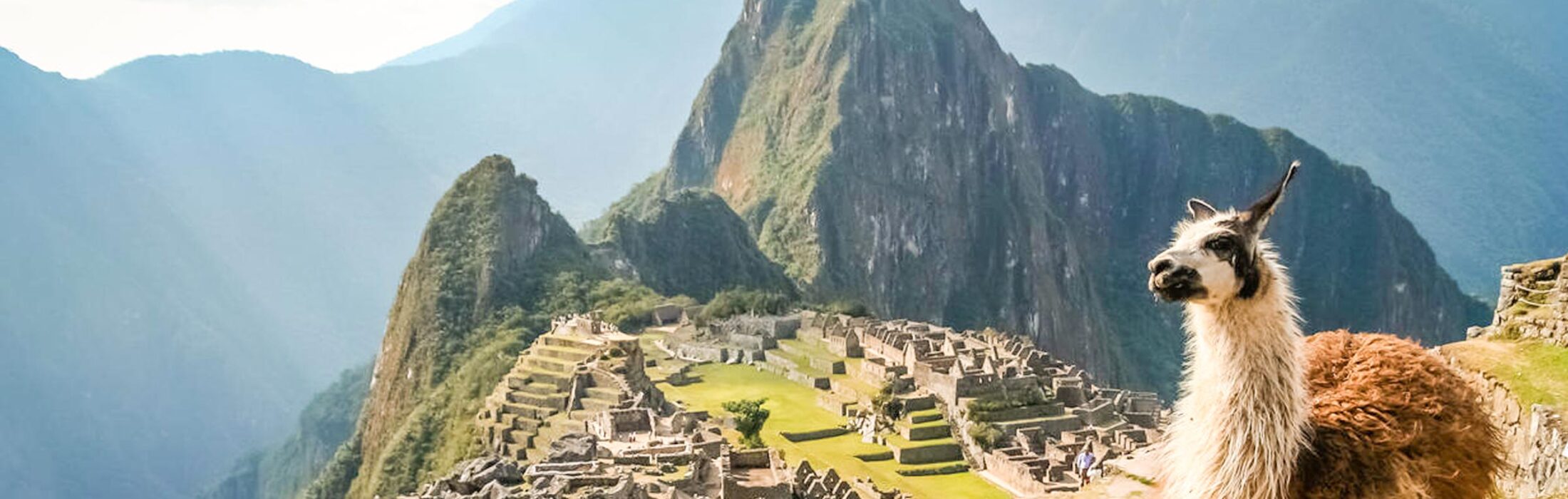
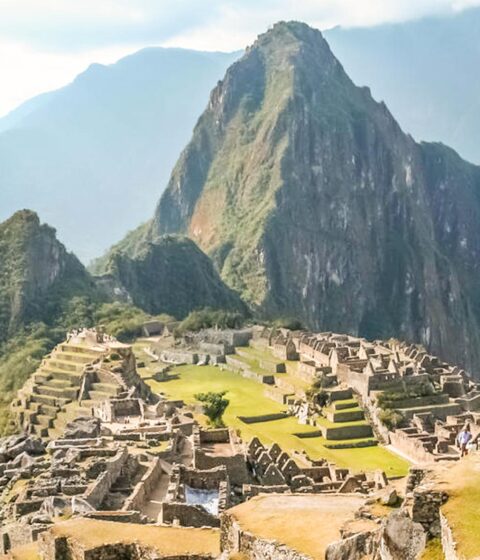





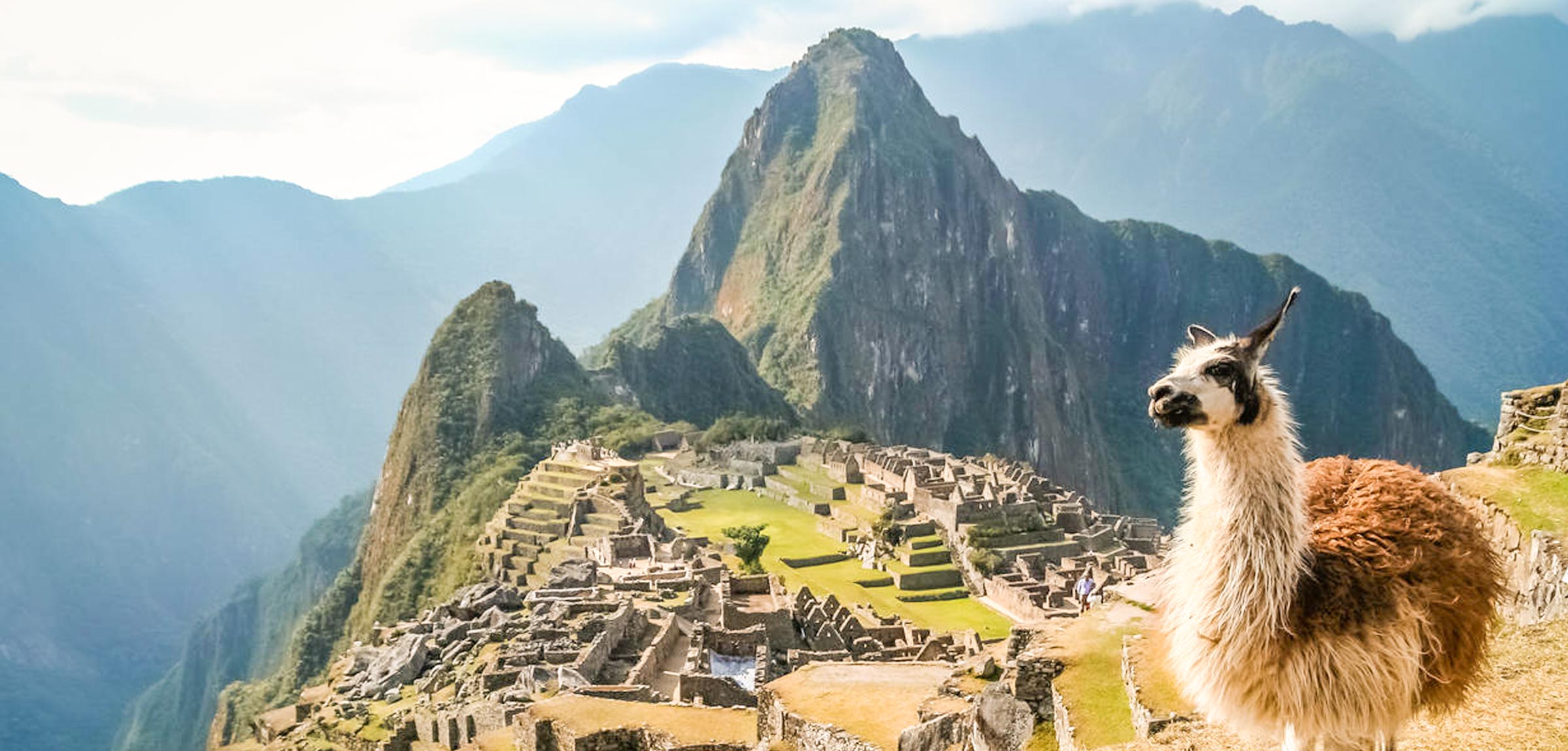
Machu Picchu is one of the most breathtaking archaeological wonders in the world. Perched high in the Peruvian Andes at 2,430 meters above sea level, this 15th-century Inca citadel draws travelers from every corner of the globe. The Hidroeléctrica route is the most immersive, scenic, and adventurous overland way to reach it — combining Andean highlands, cloud forest, subtropical jungle, and a riverside trail walk into a single unforgettable experience.
Unlike the standard train journey, the Hidroeléctrica route takes you through the full spectrum of Peru’s extraordinary landscapes: from the high-altitude puna grasslands of the Sacred Valley to the warm jungle lowlands, passing through authentic Andean villages before arriving on foot — just as Inca travelers once did. This 2-day, 1-night tour from Cusco is ideal for adventure-seeking travelers who want more than a ticket to a monument. It is an expedition.
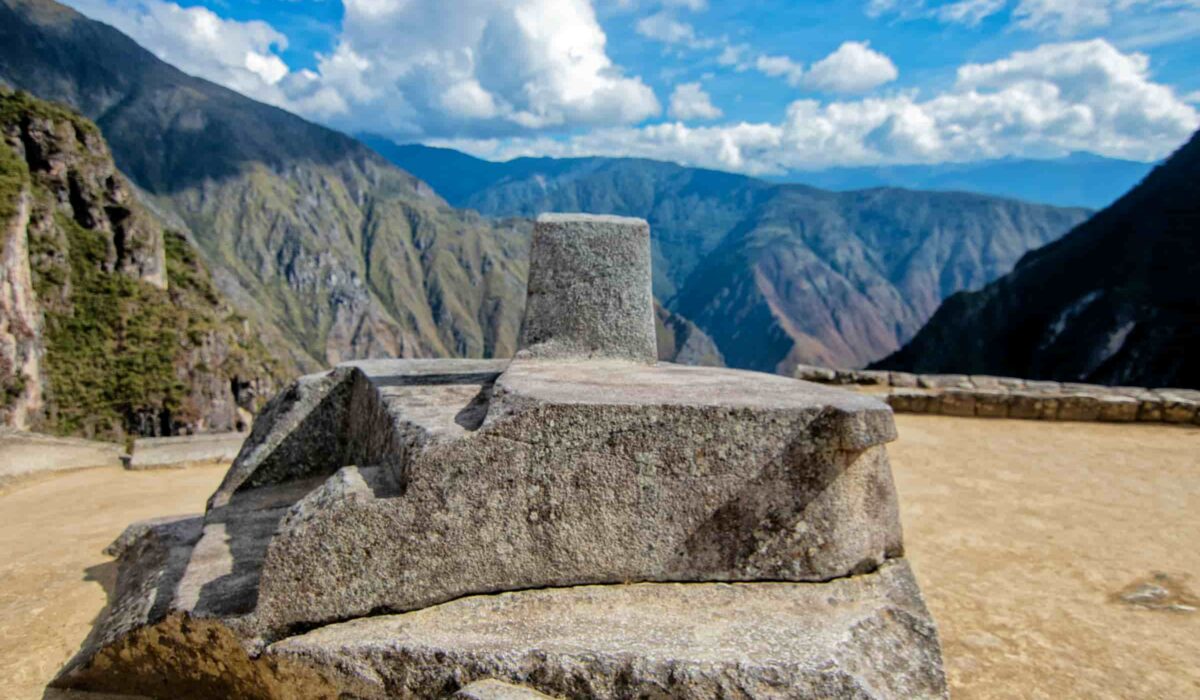
The Hidroeléctrica overland route is one of Peru’s best-kept travel secrets — and one of the most rewarding ways to reach the Inca Citadel. Here is why thousands of travelers choose it over the train every year:
Estimated travel time: 10–11 hours including lunch stop and 2-hour trail walk
Our private transportation collects you directly from your hotel in Cusco. You will travel in a comfortable vehicle with fellow adventurers as the city wakes up behind you. The first stretch heads west through the Sacred Valley of the Incas — one of the most fertile and historically significant valleys in the entire Andes, flanked by snow-capped peaks and ancient terracing cut into the hillsides. The views begin immediately.
The route passes through Ollantaytambo, the last living Inca town in Peru, where the original street grid, water channels, and stone buildings dating to the 15th century are still in everyday use. Take a short break here to stretch your legs, grab a snack from a local market stall, and photograph the dramatic Temple Fortress rising above the town. This is one of the most photogenic stops in the Sacred Valley and an important introduction to Inca civilization before you reach the Citadel itself.
Leaving Ollantaytambo, the road begins a sinuous climb into increasingly dramatic terrain. Snow-capped peaks come into view as the vegetation shifts from valley farmland to high Andean grassland. The air grows thinner and the landscape more austere — a reminder that you are crossing one of the great mountain ranges of the world. This section of the drive alone is worth the journey.
The vehicle reaches the summit of the Abra de Málaga, a breathtaking glacial pass at 4,316 m. On clear days, views extend across multiple snow-covered peaks of the Vilcabamba mountain range. Condors sometimes soar overhead. This is the highest point of the entire journey — and from here, the descent into the jungle begins. Temperature rises rapidly as the road winds down through cloud forest. Within 30 minutes you leave behind the world of glaciers and enter a world of orchids, tree ferns, and tropical birds.
The first warm valley town on the descent, Santa María sits at approximately 1,450 m surrounded by coffee plantations and fruit orchards. The air is thick and fragrant. This is where the Andes meets the Amazon — a geographical and sensory transition unlike anything most travelers have experienced. A brief stop allows you to observe authentic rural Andean life far from the tourist trail.
A welcoming agricultural town surrounded by tropical vegetation, Santa Teresa is home to some of the most productive coffee and cacao farms in the Cusco region. It is also the gateway to the Cocalmayo natural hot springs — thermal pools fed by volcanic activity, set in a lush canyon. Though not included in the standard package, the hot springs can be visited as an optional add-on on the return journey.
Arrive at the Hidroeléctrica hydroelectric complex and sit down to a generous lunch at a local restaurant. Enjoy a hearty Peruvian meal with a variety of regional dishes — typically including soup, a main course with rice, meat or vegetarian options, and fruit. This is an important fueling stop before the trail walk ahead. Use this time to change into comfortable footwear, apply sunscreen and insect repellent, and pack your daypack for the trail.
This is the heart of the adventure. From the Hidroeléctrica station, a well-maintained trail follows the railway line alongside the Urubamba River through dense cloud forest and jungle. The path is mostly flat with some gentle undulations and passes through a tunnel carved into the cliff face. The river rushes alongside you, exotic birds call from the canopy, and the vegetation grows increasingly lush as you approach Machu Picchu Pueblo. Keep your eyes open for orchids, bromeliads, hummingbirds, and the occasional flash of a toucan. This walk earns your arrival — and makes it mean something.
You walk into Aguas Calientes from the jungle trail — a genuinely satisfying arrival. Check into your hostel accommodation, shower, and spend the late afternoon exploring the town at your own pace. Aguas Calientes is a lively, compact village built in a narrow river canyon with a colorful artisan market, local restaurants, and cafes lining the riverbanks. Browse for handicrafts, try a coca leaf tea, or simply sit and watch the hummingbirds in the plaza.
The town’s namesake thermal baths (approx. S/. 20) are a perfect way to relax trail-tired muscles in warm mineral pools open until 9:30 PM. A beloved local ritual and a great way to meet other travelers before the big day ahead.
Enjoy an included dinner at your hotel restaurant. This is also when your certified Machu Picchu guide sits down with the group for a detailed pre-visit briefing — covering the history of the Inca Empire, the significance of the Citadel’s architecture, what you will see the following day, how the circuits work, what to bring, and how to get the most from your time inside. This briefing transforms a casual sightseeing visit into a genuinely informed and enriched cultural experience.
Return arrival in Cusco: approximately 10:00 PM
A full breakfast is served at your hotel before heading to the Citadel. Eating well before entry is important — no food is sold inside Machu Picchu and the morning tour is physically active. Your guide confirms departure time at dinner the previous evening based on your assigned entrance time slot.
From Aguas Calientes, you have two options to reach the Citadel entrance. The first is the uphill hiking path — a steep but rewarding 45-minute climb through cloud forest that brings you out near the Sun Gate area with spectacular early views. The second option is the official Consettur bus service (not included, approx. S/. 24 round trip), a comfortable 15-minute ride up the switchback road. Many travelers combine both — hiking up and taking the bus down. Your guide advises based on group energy and your assigned entry time.
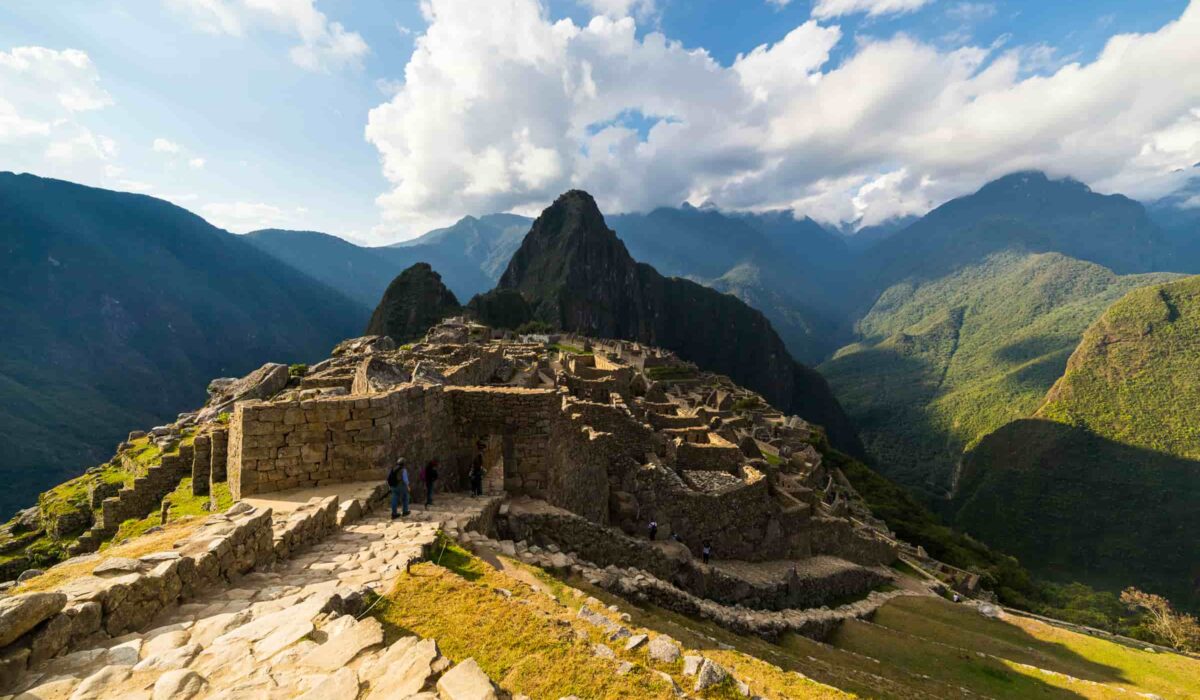
Your certified bilingual guide leads an in-depth exploration of the Citadel’s most significant areas and monuments. The guided tour covers:
Throughout the tour, your guide contextualizes each structure within the broader story of the Inca Empire — its expansion, its collapse under Spanish conquest, and the enduring mysteries that still surround Machu Picchu’s true purpose and the identity of its original inhabitants.
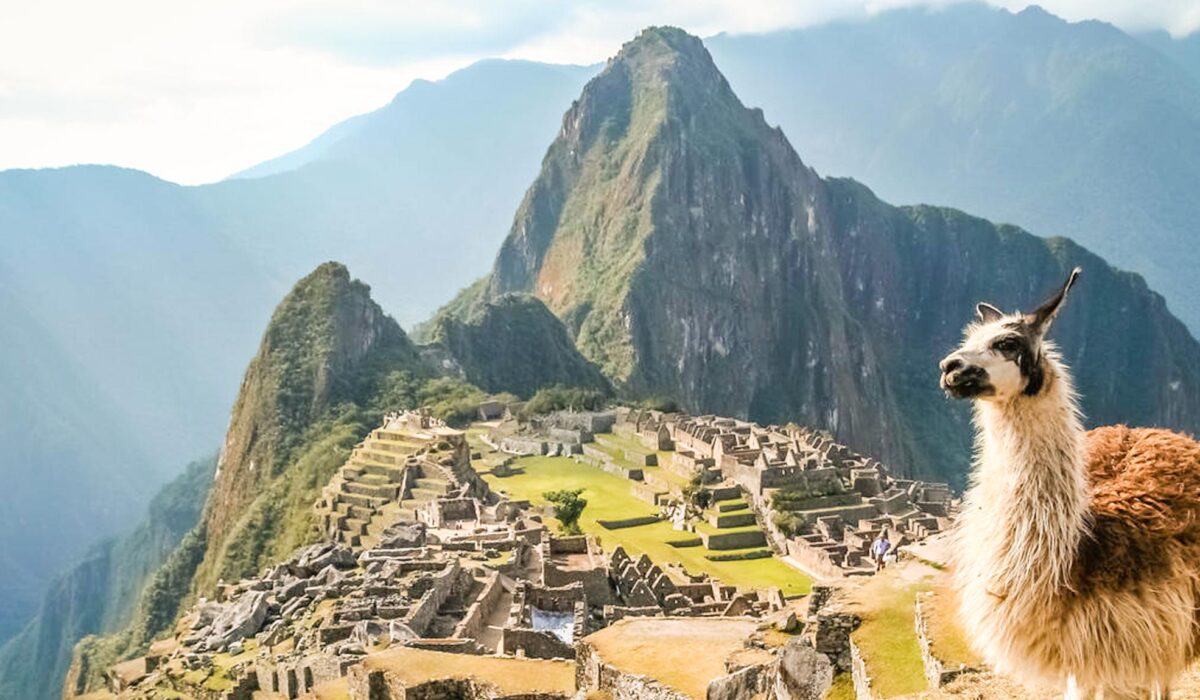
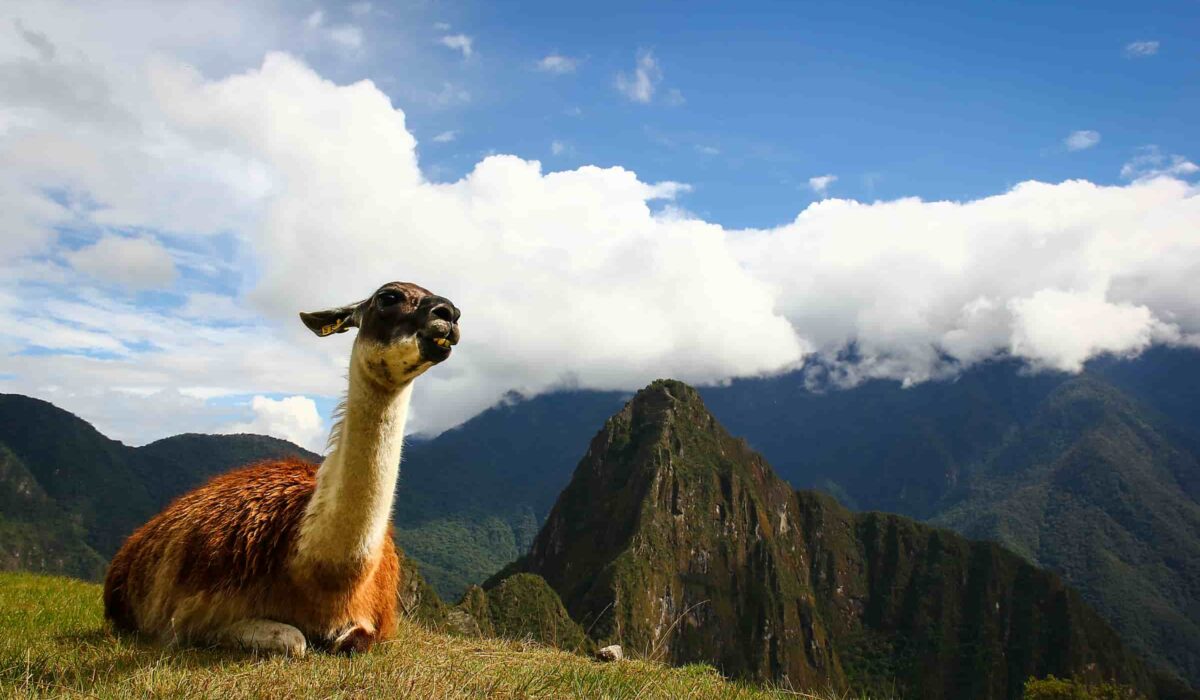
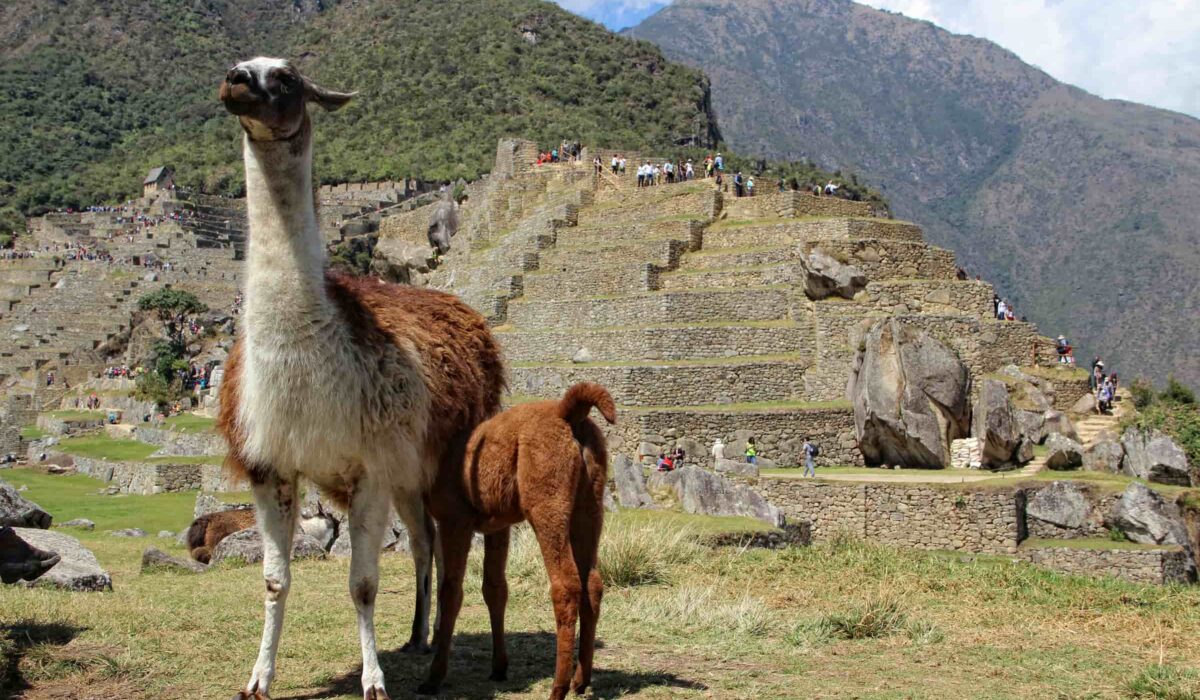
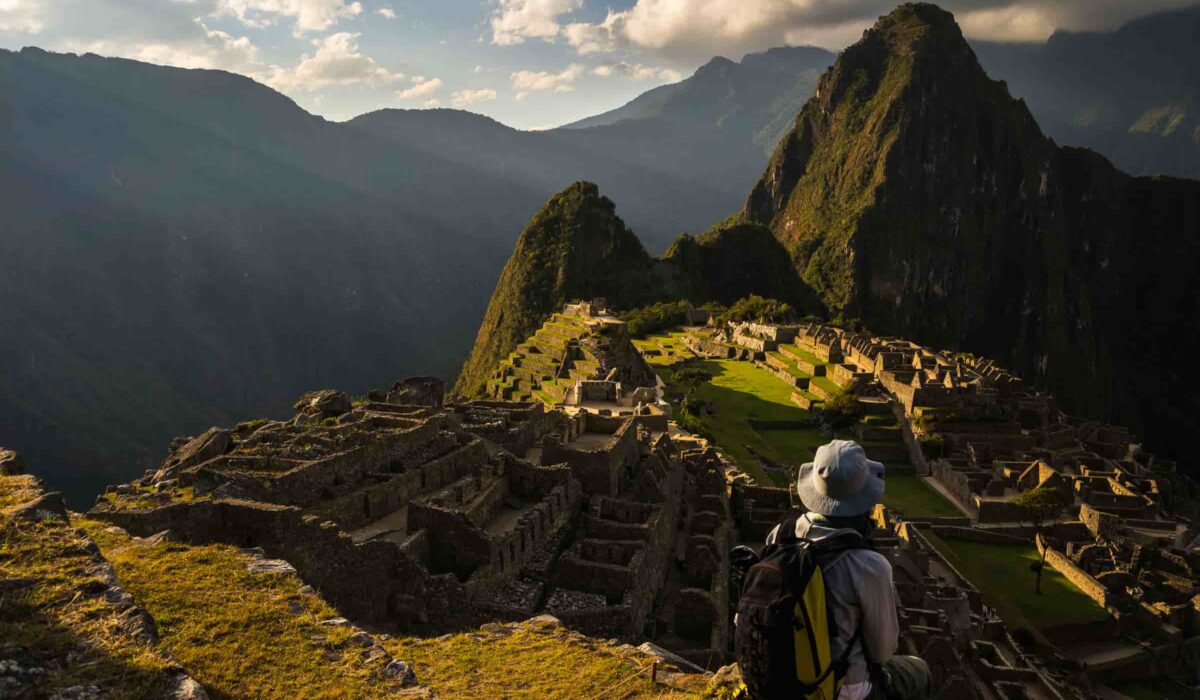
After the structured tour, you have free time to explore independently. Revisit your favorite spots, take photographs at your own pace, or extend your visit with an optional circuit walk to the Inca Bridge. Sit on the terraces, watch the llamas graze among the ruins, and absorb the magnitude of where you are. This is one of the most remarkable places on Earth — give yourself time to feel it fully.
Descend from the Citadel by bus or on foot back to Aguas Calientes, then retrace the scenic jungle trail back to the Hidroeléctrica station — approximately 2 hours of relaxed walking, now with the deep satisfaction of having visited the Wonder behind you. Overland transportation awaits at the station for the return journey to Cusco.
You are dropped off at your hotel in Cusco, completing one of the most complete and rewarding Machu Picchu experiences available. You have crossed the Andes, walked through the jungle, and stood at the heart of one of history’s greatest civilizations — all in 2 days.
Important note on luggage: Do not bring large suitcases, hard-shell luggage, or oversized bags on this tour. A soft daypack or small duffel bag is the correct choice. Leave all non-essential items, valuables, and extra clothing securely stored at your hotel in Cusco before 7:30 AM departure on Day 1.
The dry season from May through October is widely considered the best time to visit Machu Picchu. Skies are clearer, the trail is drier underfoot, and the risk of road delays on the Hidroeléctrica route is lower. June, July, and August are the peak months — expect larger crowds at the Citadel and higher accommodation prices throughout Aguas Calientes. For a balance of reliable weather and smaller crowds, May and September are the ideal months.
The wet season from November through April is not without its appeal. Morning clouds and mist dramatically enhance the atmosphere of the ruins and create extraordinary photographic opportunities. However, heavy rainfall between January and March can occasionally cause landslides that temporarily close mountain roads on the Hidroeléctrica route. Travel during this period with schedule flexibility and always check current road conditions with us in advance of departure.
Cusco sits at 3,400 m above sea level. The Abra de Málaga pass on Day 1 of this tour reaches 4,316 m. Altitude sickness (known locally as soroche) is a genuine concern for travelers arriving from sea level and can significantly affect your experience if not managed correctly. We strongly recommend spending a minimum of 2 full nights in Cusco before joining this tour to allow your body to acclimatize. During your first days in Cusco: avoid alcohol and heavy physical exertion, eat light meals, stay well hydrated with water and herbal teas, rest as much as possible, and drink coca leaf tea — a traditional Andean remedy widely available throughout the region. If symptoms persist beyond 48 hours, consult a local physician. Note that Aguas Calientes sits at a much lower 2,040 m — most travelers feel immediate physical relief once they descend from the high pass.
Machu Picchu’s microclimate is notoriously unpredictable. Temperatures range from 12°C to 25°C (54°F to 77°F) year-round. Even during the dry season, afternoon clouds and brief showers are common — the site sits within a cloud forest zone and receives atmospheric moisture almost daily. The most consistently clear weather window is between 6:00 AM and 10:00 AM, which is why early entry time slots are more popular and should be prioritized whenever available. Pack a lightweight, packable rain jacket or poncho regardless of the season — it takes up no space and will save your day if the clouds roll in during your visit.
The 8 km trail from Hidroeléctrica to Aguas Calientes follows the railway line on a mostly flat path alongside the Urubamba River. The surface is a mix of compacted gravel, rock, and jungle earth with one narrow tunnel section. The walk takes approximately 2 hours at a comfortable pace. The main physical challenge is the heat and humidity of the jungle, typically between 25°C and 30°C in the afternoon. Start the walk well hydrated, wear insect repellent, and carry at least 1.5 liters of water refilled from the lunch stop at Hidroeléctrica. Trail sneakers or walking shoes with good soles are entirely sufficient — specialist hiking boots are not required for this section.
This tour is suitable for most travelers with average fitness. No technical climbing, extreme altitude exposure, or specialized equipment is required. The key physical elements are: the 8 km flat trail walk on Day 1 (approximately 2 hours), the optional uphill hike to the Citadel entrance on Day 2 (steep, approximately 45 minutes), and the uneven stone paths and stairs inside the Citadel. Travelers with significant mobility limitations should be aware that there are no wheelchair-accessible routes inside Machu Picchu — the site is built on a steep mountain ridge with hundreds of irregular stone steps throughout.
Book fast and easy on our website and keep track of your reservation with our most advanced booking system, be updated on our discounts every week.