Traveling to Cusco and Machu Picchu is a unique experience but it also implies a challenge for your body due to the altitude. Knowing about altitude sickness, how to prevent it and understanding the difference in altitude between these two destinations is essential to enjoy your trip to the fullest. Below, we explain everything you need to know.
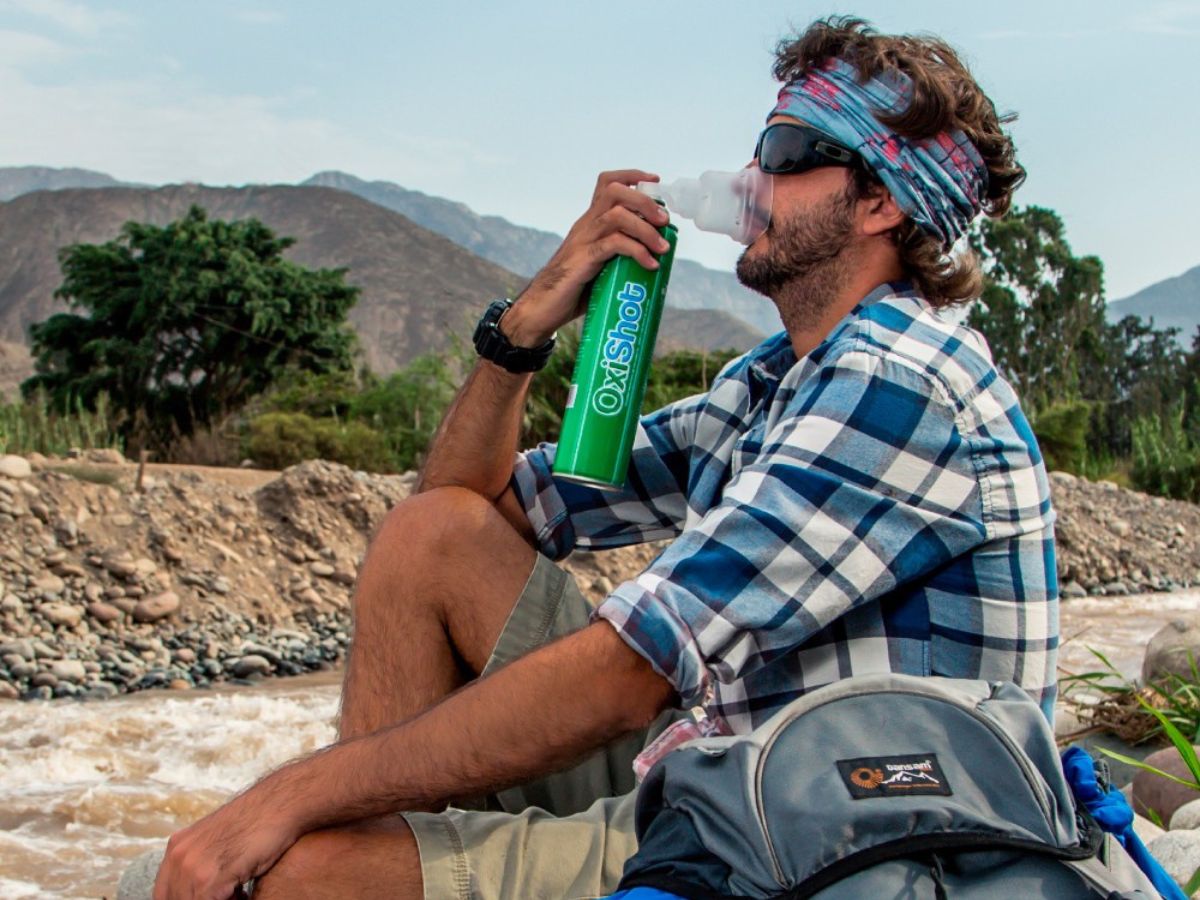
Altitude sickness, also known as altitude sickness, is a condition that can affect people who travel to high altitudes. Symptoms include headache, nausea, dizziness, fatigue and shortness of breath. This occurs when your body cannot quickly adapt to the decrease in oxygen in the air as you climb to higher altitudes.
Cusco, the ancient capital of the Inca Empire, is located at an altitude of 3,400 meters above sea level. This makes it a city located at one of the highest altitudes in South America. When arriving in Cusco, many travelers may experience symptoms of altitude sickness due to this high altitude.
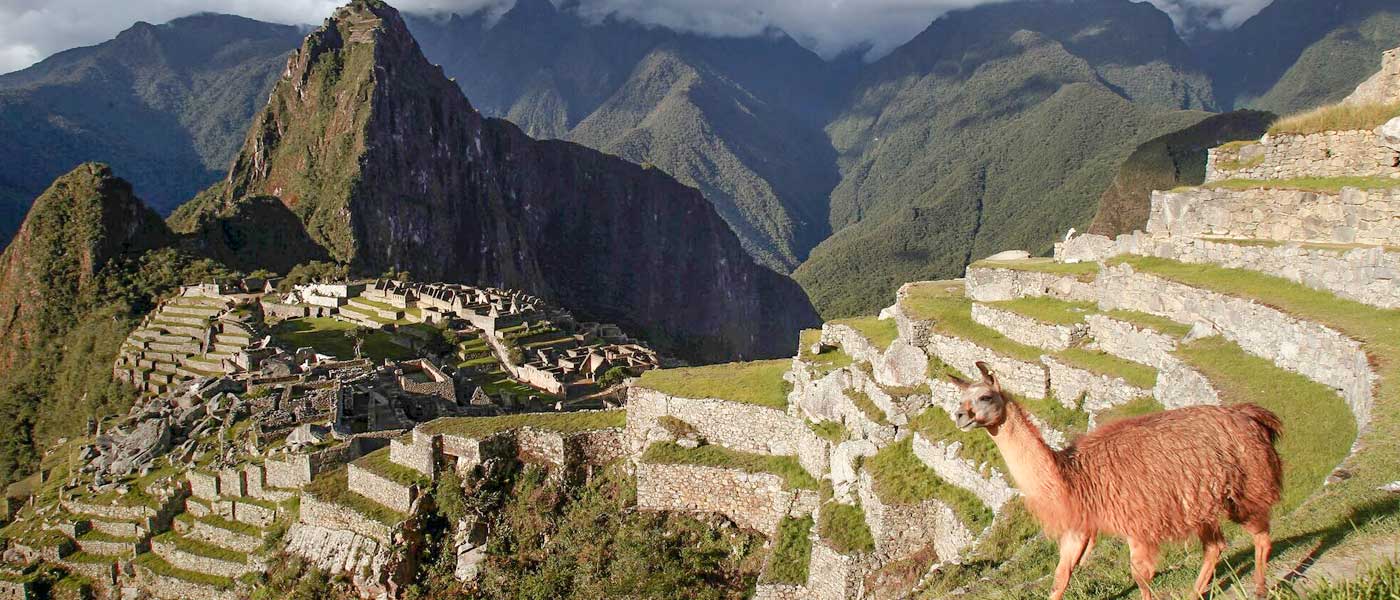
Despite being one of the most famous tourist destinations in the world, Machu Picchu is not at as high an altitude as Cusco. This incredible archaeological complex is located at about 2,430 meters above sea level, which means it is at a considerably lower altitude than Cusco. As a result, the symptoms of altitude sickness in Machu Picchu are generally less severe.
The symptoms of altitude sickness can vary depending on the person and the altitude at which you are. In Cusco, being at a higher altitude, symptoms tend to be more intense. The most common include:
In Machu Picchu, due to its lower altitude, symptoms are generally milder, but it is important to be aware of any discomfort.
Here are some tips to avoid the effects of altitude sickness during your trip to Cusco and Machu Picchu:
It is essential to arrive in Cusco and take at least a couple of days to acclimatize before starting your tour of the city and, even more, to visit Machu Picchu. This allows your body to adapt to the change in the amount of oxygen available.
Dehydration can worsen the symptoms of altitude sickness, so it is essential to drink plenty of water. Carry a water bottle with you and be sure to drink regularly.
Alcohol and high-fat foods can make it difficult for the body to adapt to altitude. It is advisable to avoid them, especially during the first few days in Cusco.
In some cases, doctors may recommend medications such as acetazolamide to help the body adapt more quickly to the altitude. Consult a doctor before traveling if you have concerns about this.
It is important not to overtax yourself physically during the first few days. If you feel discomfort, it is best to rest and avoid strenuous activities.
Although temperatures may be cold, especially at night, it is important to wear comfortable and light clothing that allows you to move around.
How to Enjoy Machu Picchu and Cusco Without Worrying About Altitude Sickness
Although altitude sickness is a common concern for travelers to Cusco and Machu Picchu with proper acclimatization and basic precautions, it is possible to fuully enjoy these destinations without soroche ruining your adventure Remember that Cusco is at a higher altitude than Machu Picchu which implies a higher risk of altitude sickness in the city, while in Machu Picchu the symptoms are usually milder due to its lower altitude.