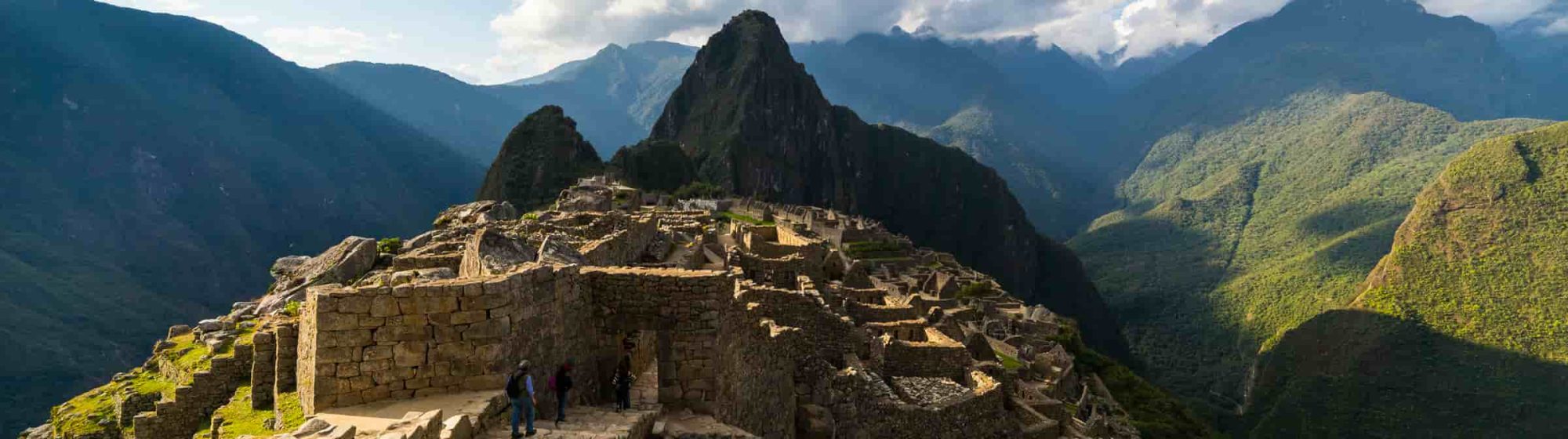
Discover the rich culture, diverse landscapes, and ancient wonders of Peru. This guide offers key recommendations, weather insights, practical tips on how to dress, and essential advice for a safe and memorable journey across this fascinating country.
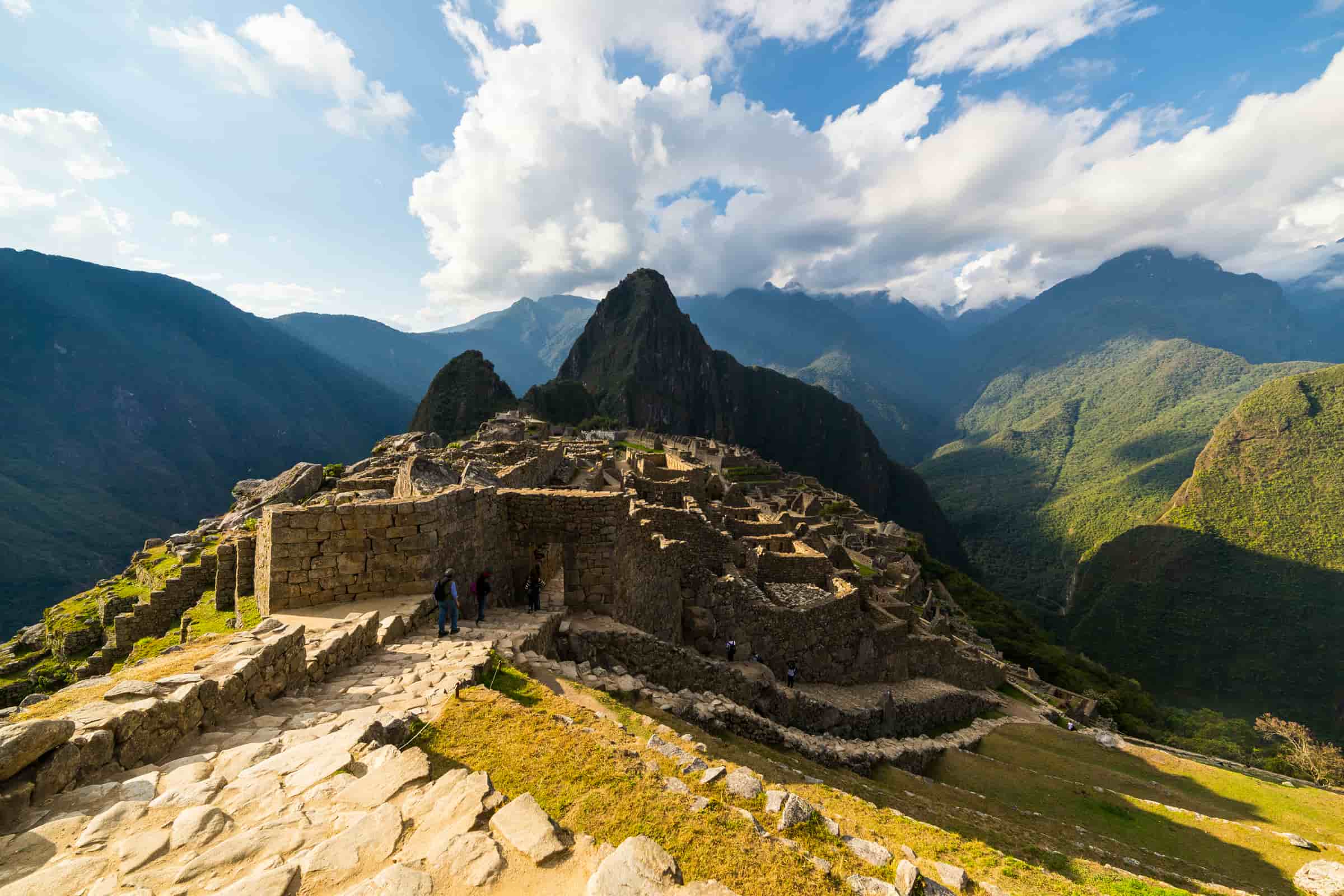
Peru’s varied geography means climate can differ greatly by region. Generally, the dry season from May to September is ideal for exploring the highlands and archaeological sites like Machu Picchu, while the coastal areas like Lima enjoy mild weather year-round.
Consider hiring local guides for specialized tours. They can provide insights into the history, hidden gems, and best practices, enhancing your understanding and appreciation of Peru’s cultural and natural heritage.
Peru spans from coastal deserts to high Andean peaks and tropical rainforests. Altitude varies widely:
Spend a few days in Cusco or another high-altitude location before trekking or visiting high mountains to acclimatize and reduce altitude sickness risk.
Learn basic Spanish phrases and show respect for local customs and traditions. Ask permission before taking photos of people, and be mindful of sacred sites and ceremonies.
Dress in layers to adapt to temperature fluctuations:
Invest in quality hiking boots for high-altitude trekking, sandals for coastal walks, and waterproof footwear for rainforest excursions. Accessories like sunglasses, sun hats, and gloves are essential for sun and cold protection.
Respect Peru’s environment and cultural heritage:
Certain attractions, like Machu Picchu, require advance booking and permits. Research entry fees and regulations for national parks and archaeological sites to ensure a smooth visit.
Be aware of regulations in protected areas, such as limits on group sizes, restricted areas, and camping rules. Follow instructions from guides and local authorities to minimize environmental impact.
Traveling across Peru often involves varied physical activities – hiking ancient trails, trekking in high altitudes, or exploring dense forests. Regular cardio, strength training, and hiking practice will prepare you for these challenges.
Practice breathing exercises and short hikes at elevation if possible. Gradually increase hiking duration and intensity to build endurance for high-altitude treks.
Before major trips, undertake local hikes with a weighted backpack. This helps build stamina, leg strength, and familiarity with carrying gear over long distances.
High altitudes can lead to dehydration. Carry a reusable water bottle, drink often, and consume high-energy foods like nuts, dried fruit, and energy bars. In the Amazon, ensure water is purified or bottled.
Learn to recognize altitude sickness symptoms: headaches, dizziness, nausea, and breathlessness. If symptoms occur, rest, hydrate, and descend if necessary. Acclimatize gradually to reduce risks.
Carry a basic first aid kit including bandages, antiseptics, pain relievers, and altitude medication if recommended. Be aware of local medical facilities and emergency contacts. Travel insurance is advised for peace of mind.
With thoughtful preparation and respect for Peru’s diverse environments and cultures, your journey will be both safe and enriching. Embrace the adventure, learn from the locals, and create unforgettable memories exploring this magnificent country. Safe travels!