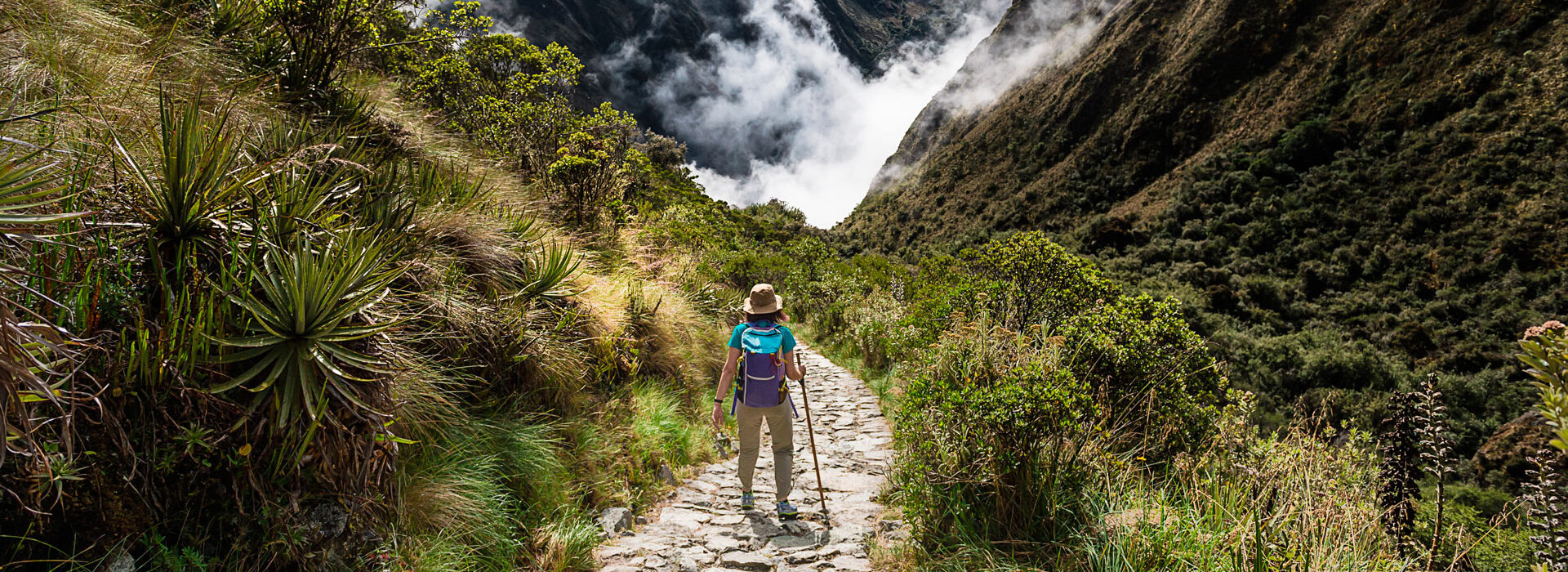
The Inca Trail is one of the most emblematic and challenging trekking routes in the world. This ancient route that connects with Machu Picchu is known for its natural beauty and historical significance, but also for the physical demands of the trek. If you are planning to undertake this adventure, it is crucial to understand the difficulties that await you along the way in order to be fully prepared. In this article we provide you with all the information you need to know about the difficulty of the Inca Trail and how to face the challenges it presents.
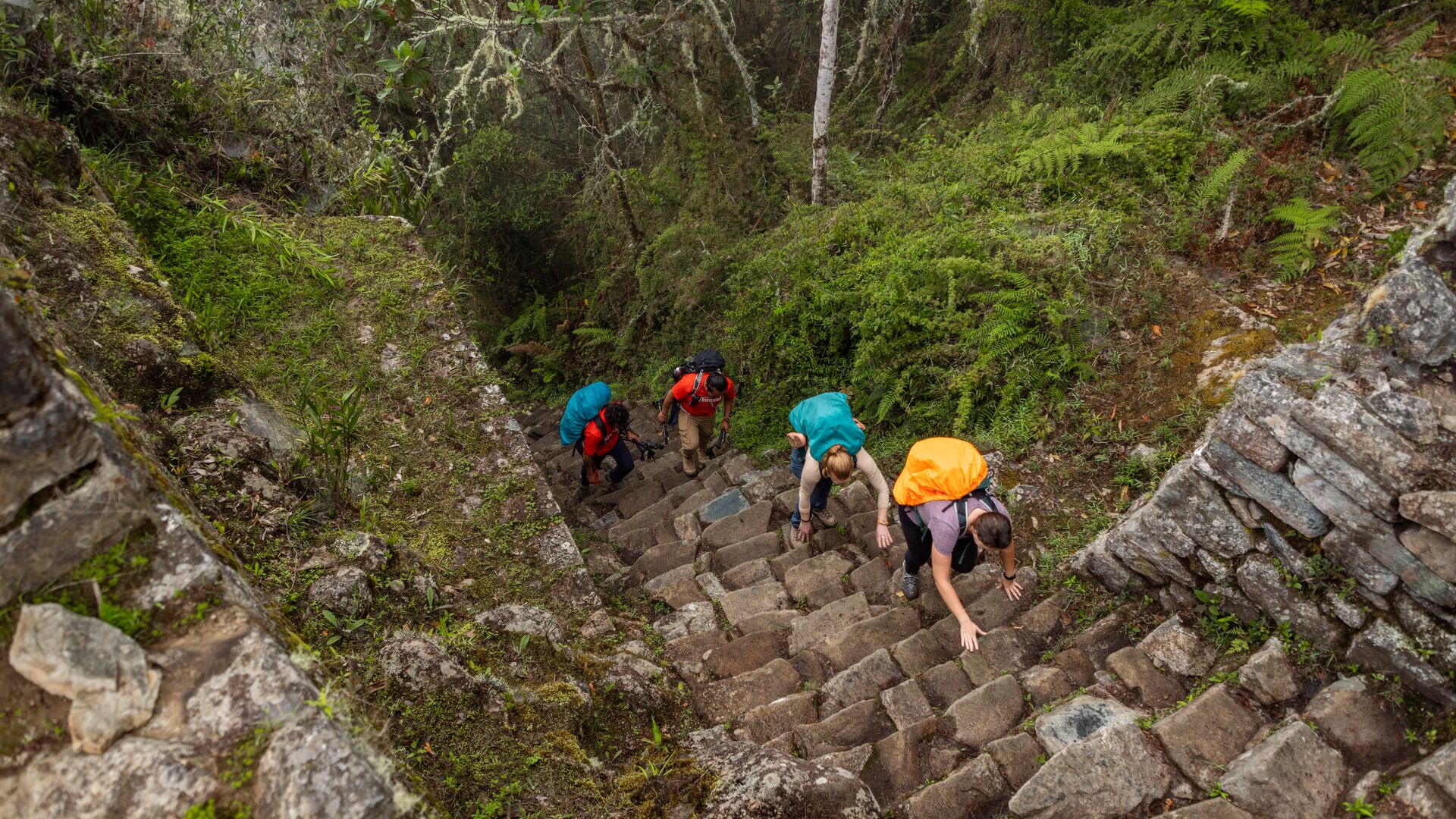
The Inca Trail is not just any hike. It is a trek that, due to its altitude,rugged terrain and unpredictable weather, presents a series of challenges that travelers must be prepared to face. Along its 43 kilometers, hikers must traverse diverse types of terrain, from steep trails to rocky and slippery stretches.
One of the main challenges of the Inca Trail is the altitude. The route reaches up to 4,215 meters above sea level at the Warmiwañusca pass, known as the “Dead Woman’s Pass”. At this altitude, the air has less oxygen, which can cause shortness of breath, fatigue and altitude sickness. It is advisable to acclimatize in the city of Cusco before starting the trek to minimize these effects.
The terrain of the Inca Trail varies constantly. You will encounter steep parts, with stone steps, steep ascents and descents that can test the physical endurance of any hiker. In addition, weather conditions can change rapidly, which can make some parts of the trail slippery or dangerous, especially during the rainy season.
The weather in the Andean region is notoriously unpredictable. While during the day you may experience warm, sunny temperatures, nights can be extremely cold. In addition, during the rainy season (November to March), the trail can become more difficult due to landslides and humidity.
The first day of the Inca Trail is relatively moderate compared to the following days. Although it starts with a gradual climb, the terrain is not that steep. Hikers may experience some fatigue due to the altitude, but the day is shorter and allows for good acclimatization. This day usually involves a 12 kilometer hike with a gradual ascent.
Difficulty: Moderate
This is the most challenging day of the trek. The most difficult stretch is the ascent to the Warmiwañusca pass (4,215 m), known as the “Dead Woman’s Pass”where the terrain is steep and the air is short of oxygen. After this ascent, the rest of the day is a combination of steep descents and rocky terrain. The total of this day reaches 16 kilometers, which makes it the most demanding in terms of physical effort.
Difficulty: High
The third day is shorter, with only 10 kilometers to Machu Picchu. However, despite the distance, the terrain is uneven and steep in places, which can be demanding This day starts early to reach the famous Inca citadel before the crowds. Although it is easier than the second day, the accumulated fatigue can make this day challenging as well.
Difficulty: Moderate
Although no mountaineering experience is required to complete the Inca Trail, it is essential to be in good physical condition. Prior training is recommended, focusing on cardiovascular endurance, leg strength and altitude training if possible. Walking on uneven terrain and long hikes in the mountains will help condition your body.
The Inca Trail is both a physical and mental test. There are times when fatigue and adverse weather conditions may cause you to doubt your ability to continue. Maintaining a positive attitude and being prepared for challenges can make the difference between enjoying the trek and giving up too soon.
The list of what you need to carry is fundamental to have a safer and more comfortable experience. Be sure to pack only what is necessary, as overpacking can make the trail even more difficult. Some essentials include:
The short answer is yes. Despite the difficulty of the Inca Trail travelers who manage to complete the route feel incredibly rewarded by the panoramic views the connection to history and the personal satisfaction of having reached Machu Picchu on foot. The physical challenge, combined with the beauty of the landscape, makes for an unforgettable experience.
The Inca Trail is one of the most physically and mentally demanding routes in the world, but it is also one of the most rewarding. The difficulty of the trail should not discourage travelers, but rather motivate them to prepare adequately to enjoy the experience. With proper training, good acclimatization and appropriate equipment, the Inca Trail can become one of the most exciting and enriching adventures of your life.