
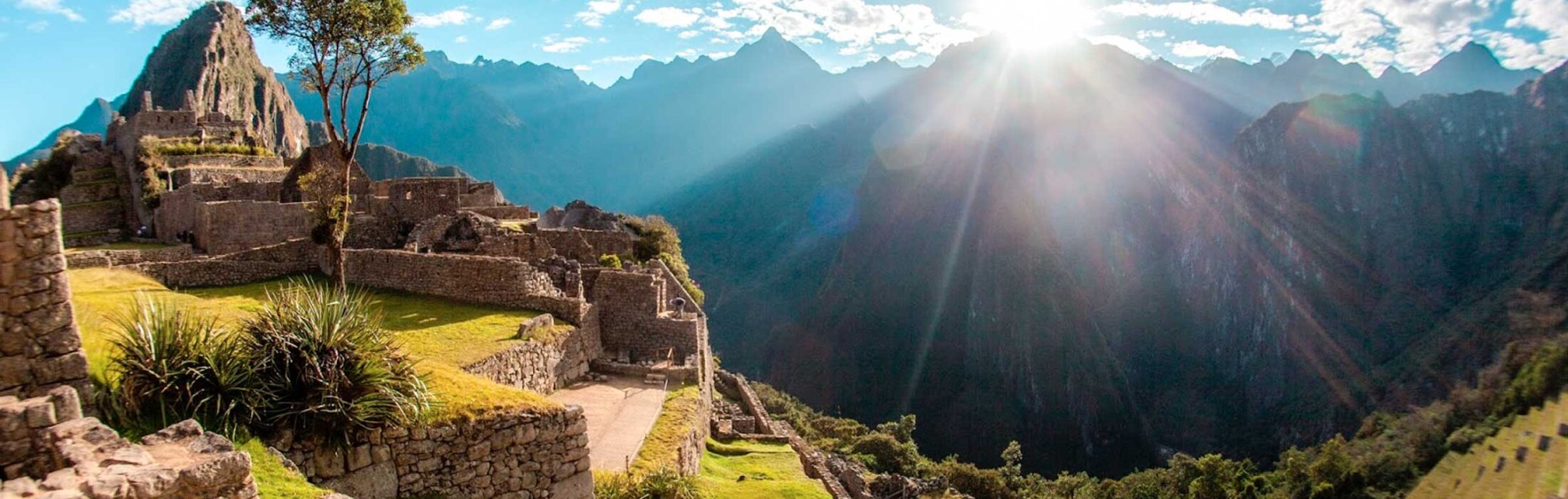
Machu Picchu is one of the most emblematic wonders of the ancient world and a symbol of Inca culture. This lost city, located in the Peruvian Andes, remains a fascinating mystery, both for its impressive architecture and its history and purpose. In this article, we’ll explore everything you need to know about Machu Picchu, from its history to how to get there and what to expect during your visit.
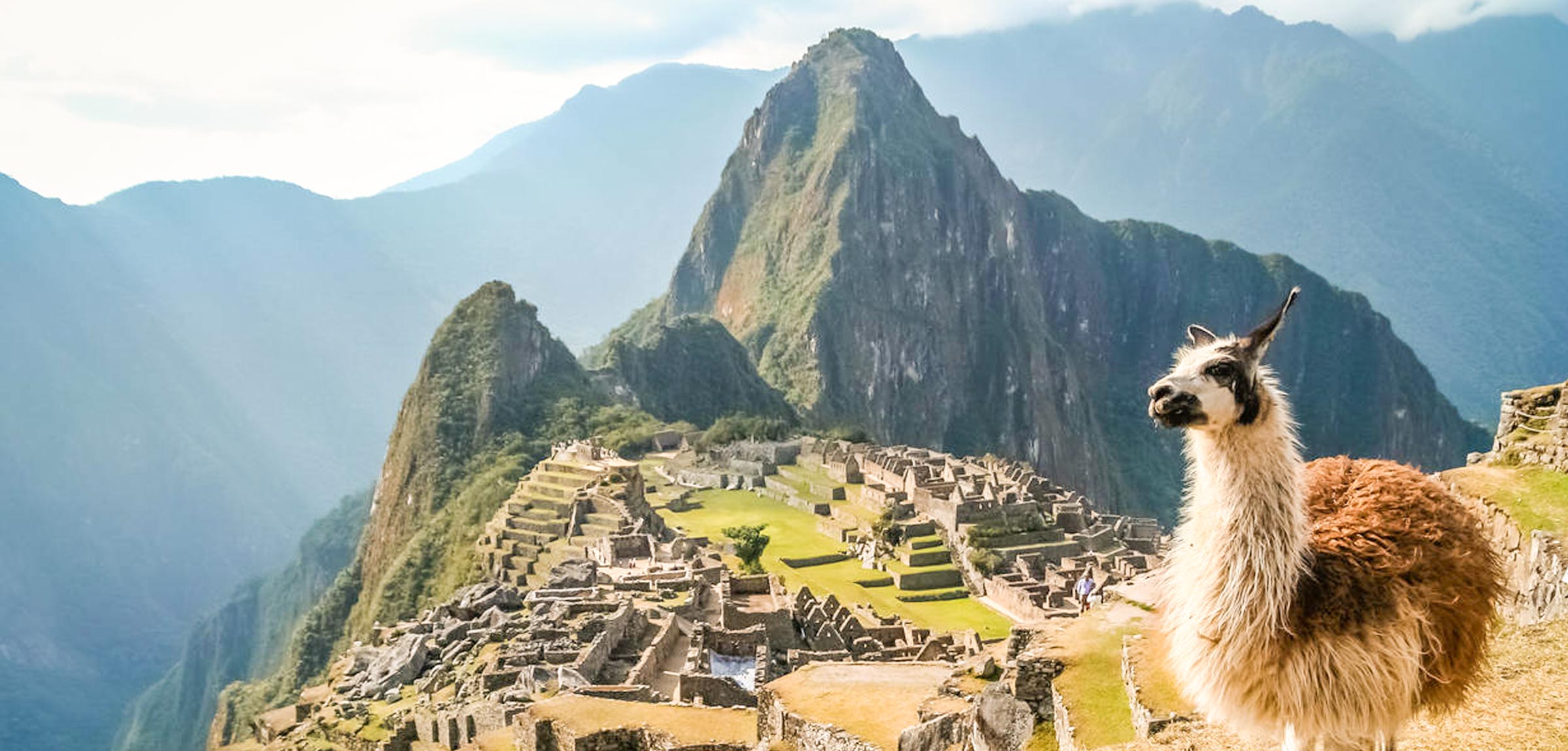
Machu Picchu is an ancient Inca city located high in the Andes, about 2,430 meters above sea level. It is one of the most impressive and mysterious constructions of the Inca civilization. It was discovered by the American archaeologist Hiram Bingham in 1911, although it was already known by the locals of the region. Despite its discovery in the 20th century, many questions about its orgin and purpose remain unanswered. Some historians believe that Machu Picchu was a royal residence of the Inca Pachacutec, while others suggest that it may have been a religious or ceremonial center.
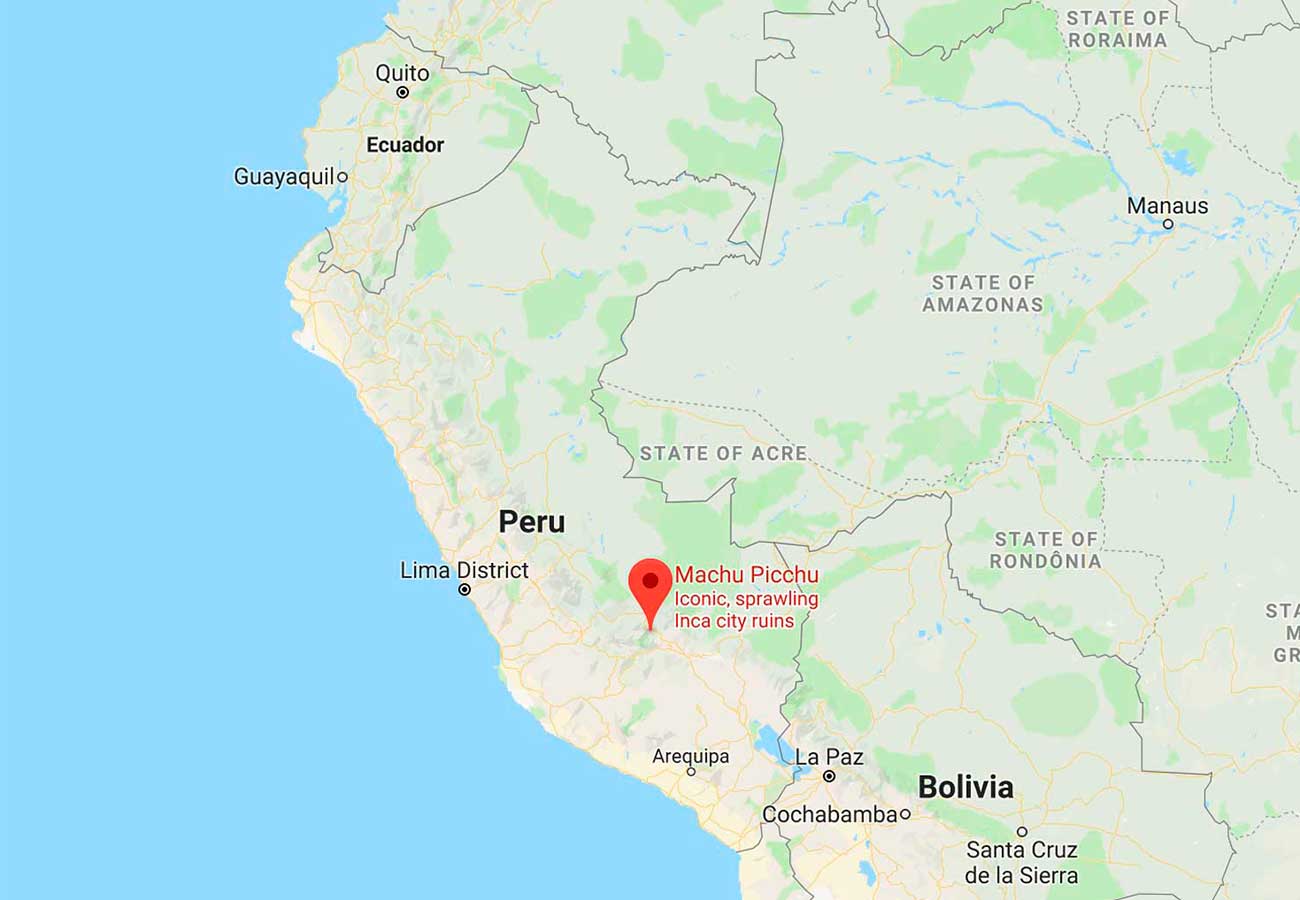
Machu Picchu is located in southeastern Peru, in the province of Urubamba, within the department of Cusco. It is approximately 80 kilometers from the city of Cusco, which was the ancient capital of the Inca Empire The city rises above a thick tropical jungle and is surrounded by mountains which makes it even more impressive. Access to Machu Picchu is quite limited due to its location in a mountainous area of difficult access, which has allowed it to remain relatively untouched over the centuries.
The history of Machu Picchu is shrouded in mystery. It is believed to have been built in the 15th century, during the height of the Inca Empire under the reignn of Inca Pachacutec The exact function of Machu Picchu is still under debate Some researchers think it was a royal residence, while others believe it was a religious sanctuary, a center of worship or even a place of retreat for Inca nobles.
The Incas were known for their engineering and architectural skills, and Machu Picchu is a clear example of this. The city is built using a technique called ashlar, in which the stones are cut in such a way that they fit together perfectly without the need for mortar. In addition, Machu Picchu has structures such as temples, plazas, water fountains and a system of agricultural terraces that demonstrated the sophistication of Inca engineering.
Although Machu Picchu was known to the locals, it was the American explorer Hiram Bingham who, in 1911, made it known to the Western world Bingham, while on an expedition in search of Vilcabamba, the last Inca capital, arrived at Machu Picchu and was impressed by its beauty and state of preservation. Its discovery and subsequent dissemination made Machu Picchu become one of the most imporant tourist destinations in the world.
Over the years, numerous excavations and restorations have been carried out at Machu Picchu, although it is still the subject of archaeological research. The city continues to reveal secrets about the life of the ancient Incas and their religious practices.
Getting to Machu Picchu is a unique experience, although it requires some effort. Below, we explain the most common ways to get to the Inca sanctuary.
One of the most popular ways to get to Machu Picchu is by taking a train from the city of Cusco to Aguas Calientes, the closest town to Machu Picchu. The train ride takes approximately 3.5 hours and is a unique experience, as it takes you through beautiful mountain scenery and tropical jungles. There are several train options, ranging from budget to luxury services, such as the Hiram Bingham, which offers a high-end trip with gourmet meals and expert guides.
From Aguas Calientes, visitors must take a bus up a winding road for about 20 minutes to reach the entrance to Machu Picchu.
For the more adventurous, walking the Inca Trail is one of the most exciting ways to reach Machu Picchu. This famous trail, which lasts between 4 and 5 days, allows travelers to walk a series of ancient paths built by the Incas, crossing mountains, forests and archaeological ruins. It is a demanding hike, so it is recommended to be in good physical condition. The Inca Trail ends at the famous Inti Punku or “Sun Gate”, from where you have a spectacular view of Machu Picchu.
Once in Aguas Calientes, in addition to the bus, travelers can choose to walk to Machu Picchu, although this route is steeper and takes about 1.5 to 2 hours.
Buy your tickets in advance: Machu Picchu is a popular destination, so entrance tickets should be purchased in advance, especially during the high season (April to October).
Wear comfortable clothing and footwear: The hikes can be demanding, so it is important to wear clothing and footwear suitable for all types of terrain.
Respect the rules: To protect the site, there are certain rules that visitors must follow, such as not climbing on the structures, not touching the rocks, and not leaving trash.
Arrive early: To avoid the crowds and enjoy a quieter experience, it is recommended to arrive early to Machu Picchu.
Machu Picchu is much more than an archaeological site; it is a testament to the advanced engineering, spirituality and connection of the Incas with nature. With its stunning location, mysterious history and unique architecture, it remains a place that fascinates millions of visitors every year. Whether you decide to arrive by train or venture along the Inca Trail, the experience of visiting Machu Picchu is one of the most memorable you can have.