
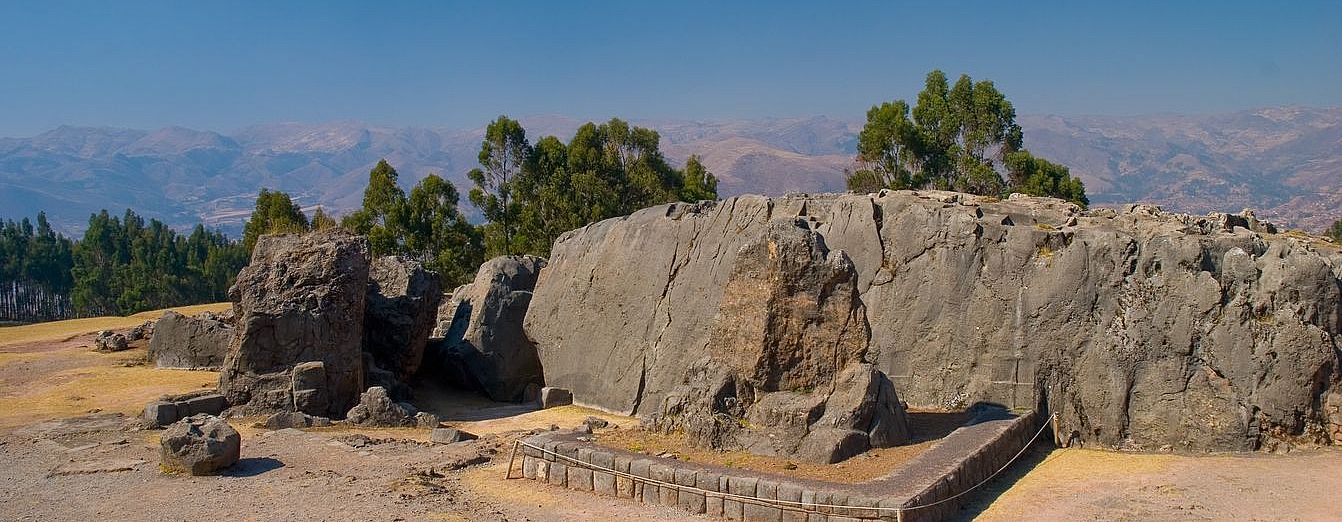
The ruins of Qenqo, are located in the city of Cusco in Peru, Qenqo ruins are one of the most fascinating and mysterious archaeological sites in Peru. This complex, of which the name means “labyrinth” in Quechua, is known for its impressive structures and its historical relevance in the Inca culture. By visiting Qenqo, travelers have the opportunity to explore one of the sacred places of Inca civilization, surrounded by natural beauty and an atmosphere full of mysticism. In this article, we tell you everything you need to know to make the most of your visit to this historic archaeological site.
The ruins of Qenqo are an Inca archaeological site located just 8 kilometers from Cusco, in the southern region of Peru. The name “Qenqo” comes from the Quechua term meaning “labyrinth” or “serpent”, which refers to the complex structures and carved stone labyrinths at the site. Although Qenqo was originally a ceremonial center, it is also believed to have been used for religious and astronomical rituals related to the worship of the sun and moon.
Getting to the ruins of Qenqo from Cusco is quite simple. The most common access is by land transportation, either by cab, bus or organized tour. It is located at a distance of approximately 15 minutes by car from the center of Cusco. Many tourists choose to hire a tour that covers several nearby archaeological sites, such as Sacsayhuaman and Puca Pucara, on the same route.
When visiting Qenqo, tourists can admire a variety of architectural structures that show the sophisticated knowledge of the Incas. Among the highlights are:
The labyrinth of carved rocks: a set of subway passages and grottoes that are believed to have been used for ritual ceremonies. The peculiarity of these rock formations is that they were molded to adapt to religious rituals, which makes them a historical enigma.
The sacrificial altar: A central area where ceremonial sacrifices were performed. There is a large rectangular stone, which archaeologists have identified as a possible sacrificial altar.
The Temple of the Moon: A sacred place where astronomical observations were made, especially of the moon. The stones of the temple are aligned with important celestial phenomena, reflecting the advanced knowledge of the Incas in astronomy.
The great human-shaped rock: A stone carved in the shape of a human figure, believed to represent an Inca deity. This structure is associated with the worship of Andean gods.
The ruins of Qenqo are located at an altitude of approximately 3,500 meters above sea level, which gives it a privileged location in the Andes Mountains. The altitude can be challenging for some visitors, so it is recommended to acclimatize in Cusco before making the trek.
The best time to visit the ruins of Qenqo in Peru is during the dry season, between the months of April and October. During this period, the weather is more pleasant, with sunny days and mild temperatures. Rainfall is more frequent between November and March, which can make access to the site more difficult and the tour less comfortable.
However, if you want to avoid the crowds, it is best to plan your visit during the off-season months, such as April, May or September, when there are fewer tourists, but the weather is still good.
Wear comfortable clothing suitable for walking, as the terrain at Qenqo can be rocky and uneven.
Don’t forget to wear sunscreen, especially if you visit the site during the warmer months.
It is advisable to bring water and snacks, as there are no stores near the site.
If you are sensitive to altitude, take some time to acclimatize in Cusco before the tour.
The ruins of Qenqo represent a vital part of the Inca legacy and are an obligatory stop for those who wish to learn more about Andean culture in the Cusco region. Their fascinating architecture, strategic location and mystical history make Qenqo a must-see destination. Whether you are attracted by the mysteries of ancient Inca ceremonies or the natural beauty of the area, this site will leave an indelible impression. So, don’t miss the opportunity to explore this enigmatic archaeological complex on your next visit to Cusco.