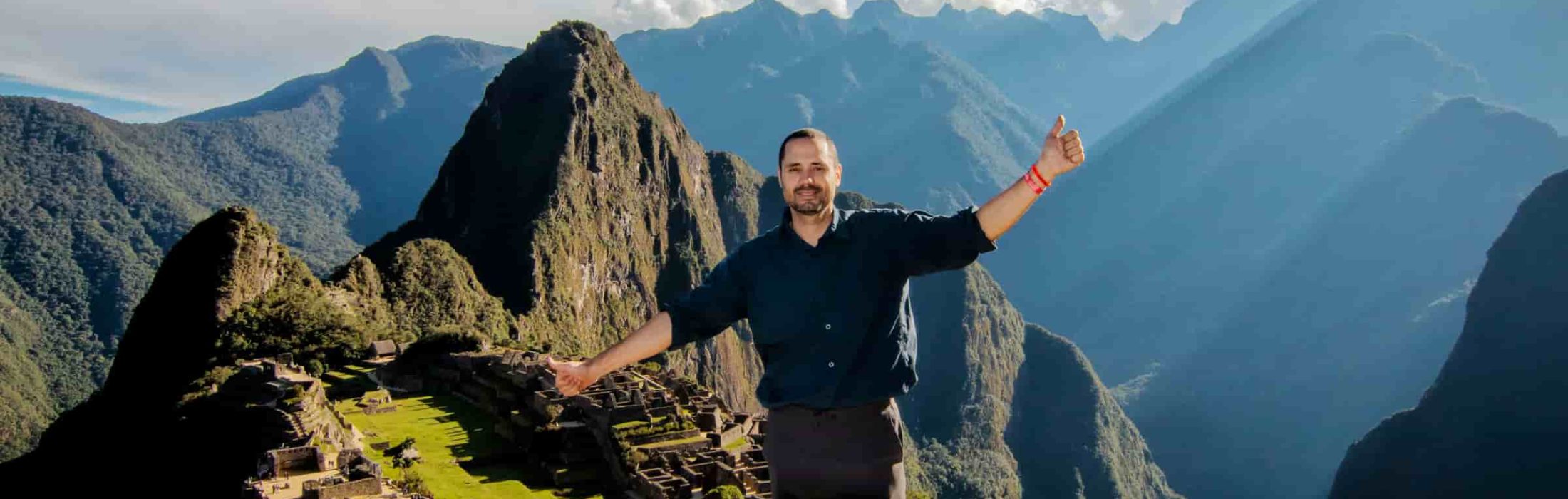
Visiting Machu Picchu during the dry season from May to September provides clearer skies and more stable weather conditions. Early mornings or late afternoons often offer the best light for photography and fewer crowds. Travelers can explore the ruins with more ease and enjoy a more comfortable experience.
Focus on iconic sites within the complex such as the Temple of the Sun, the Intihuatana stone, and the panoramic vistas from the Sun Gate. Beyond the main ruins, consider hiking to surrounding peaks for breathtaking views and to experience lesser-known areas of the site.
Respect local customs by maintaining a calm voice, not touching fragile artifacts, and following guidelines set by park authorities. Engage with local guides for authentic insights and support the community by purchasing locally-made crafts.
Machu Picchu sits at about 2,430 meters (7,970 feet) above sea level. While it’s lower than Cusco, visitors may still feel mild altitude effects. It’s important to go slowly, stay hydrated, and acclimatize properly to avoid discomfort.
Temperatures can vary significantly throughout the day. Mornings and evenings are typically cool, ranging between 5°C to 15°C (41°F to 59°F), while daytime temperatures can reach up to 20°C (68°F). Always check a current weather forecast before traveling.
Rain is common during the wet season (November to April). Be prepared for sudden showers by carrying waterproof gear. The cloud cover can obscure views, but the lush landscape is spectacular during these times.
Include sunscreen, a hat, insect repellent, and a reusable water bottle. A small first-aid kit is advisable. Bring lightweight, quick-drying clothing to adapt to changing conditions and invest in high-quality rain gear.
Learn basic phrases in Spanish or Quechua to show respect. Dress modestly, especially when visiting nearby communities. Understanding and following local traditions can enhance your experience and foster good relations with the locals.
Photograph early in the morning for soft lighting and fewer tourists in your shots. Respect restrictions around certain sacred sites; do not use flash in dark areas where delicate paintings or carvings could be damaged.
Dress in layers to adjust to the changing temperatures throughout the day. Start with moisture-wicking base layers, add insulating mid-layers, and top it off with a waterproof outer layer to protect against rain and wind.
Wear sturdy hiking boots with good ankle support and non-slip soles. Bring comfortable walking shoes for exploring ruins. Use trekking poles if necessary for steep or uneven paths, which can add stability and reduce strain.
Pack a lightweight, breathable rain jacket and a waterproof cover for your backpack. A hat with a brim can protect your face from rain, and waterproof shoes help keep your feet dry on muddy trails.
Access to Machu Picchu requires a timed-entry ticket that should be purchased in advance. Some areas within the site may have restricted access; check the official website for up-to-date regulations and permit requirements.
Visitors must follow strict rules to preserve the site’s integrity. Stay on designated paths, carry out all trash, and avoid touching ancient stonework. Respect local wildlife by not feeding or disturbing animals.
The site operates within set hours, usually opening early in the morning and closing by mid-afternoon. Plan your visit within these hours to avoid last-minute rushes and potential closure due to weather.
Spend a few days in Cusco or another high-altitude location before visiting Machu Picchu to acclimatize. This preparation can help reduce the risk of altitude sickness and make your visit more enjoyable.
Engage in regular cardiovascular exercises, such as hiking or running, to build stamina. Strength training for legs and core can be beneficial, as the terrain can be uneven and steep. Practice walking on trails and carrying a weighted backpack to simulate hiking conditions.
Participate in shorter hikes near Cusco or join guided tours that simulate the altitude and terrain experience. Activities like yoga or meditation can help with breathing techniques, which are useful in high-altitude areas.
Take precautions by staying hydrated, avoiding alcohol, and ascending slowly. Over-the-counter medications like acetazolamide may be recommended by a physician to prevent altitude sickness. Listen to your body and rest if symptoms occur.
Consult a travel clinic to discuss recommended vaccinations for travel to Peru, which may include Hepatitis A and Typhoid. Though malaria is not a risk in Machu Picchu, you should still be aware of general travel health advisories.
Carry plenty of water and drink regularly to stay hydrated in the high-altitude environment. Bring energy-boosting snacks like nuts, dried fruits, and energy bars. Eating light and frequent meals can help maintain energy levels during long hikes.