
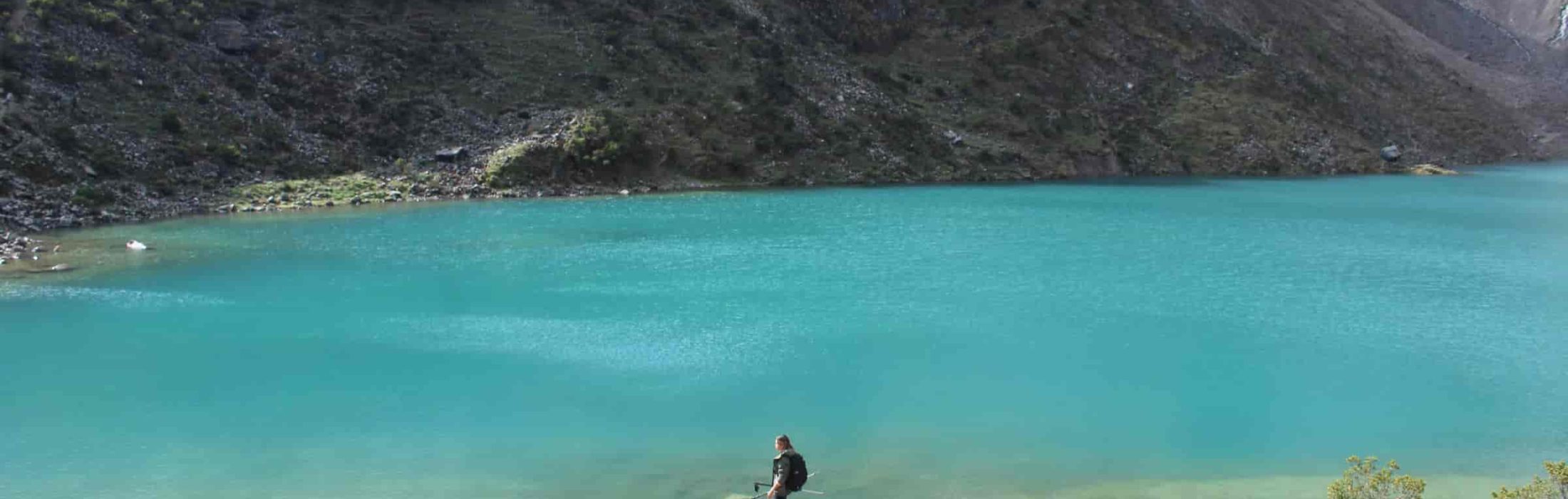
Visiting Humantay Lake is a breathtaking adventure that combines natural beauty with a touch of cultural heritage. This guide covers recommendations, weather insights, dressing advice, and more to help you prepare for a memorable trip to this stunning glacial lake.
The most favorable period to visit Humantay Lake is during the dry season, from May to September. Clear skies and mild weather conditions make hiking to the lake more enjoyable and safe.
A typical tour involves a moderately challenging hike through scenic landscapes. Allocate a full day for the excursion, starting from the trailhead in the early morning to avoid crowds and enjoy the sunrise over the mountains.
Hiring a local guide can enrich your experience. Guides share stories about the lake’s cultural significance, local myths, and offer valuable safety tips. They also assist with navigation and provide insights into the flora and fauna.
Humantay Lake sits at approximately 4,200 meters (13,800 feet) above sea level. The high altitude means cooler temperatures and potential for sudden weather changes.
Daytime temperatures in the dry season typically range from 10°C to 20°C (50°F to 68°F), though wind chill can make it feel colder. Nighttime temperatures can drop well below freezing, especially in higher altitude areas near the lake.
Rain is uncommon during the dry season but possible in the wet months (November to April). Snow can linger in shaded areas, particularly at higher elevations, even in summer. Always check weather forecasts before setting out.
Spend a day or two at altitude before visiting Humantay Lake to reduce the risk of altitude sickness. Hydrate well and take it easy on your first day to let your body adjust.
Pack light but bring essentials like sunscreen, sunglasses, a hat, and plenty of water. Snacks such as energy bars or trail mix help maintain energy during the hike.
Respect the environment by staying on designated trails, packing out all trash, and avoiding disturbance of wildlife. Preserve the natural beauty for future visitors.
Dress in layers to adapt to varying temperatures. Start with a moisture-wicking base layer, add an insulating layer like fleece, and top it off with a waterproof and windproof jacket for the unpredictable mountain weather.
Wear sturdy hiking boots with good ankle support and grip to navigate rocky and potentially slippery paths. Breathable, moisture-wicking socks reduce the risk of blisters during long walks.
Carry a durable hat for sun protection, gloves for colder conditions, and a small backpack to hold essentials like water, snacks, camera, and a first aid kit.
Humantay Lake is a protected area. Stick to the trails, refrain from littering, and respect any signage or instructions from local authorities. Avoid picking plants or disturbing wildlife to maintain ecological balance.
Some tour operators may have specific guidelines regarding group size, maximum number of visitors per day, or time limits at the lake to preserve its pristine condition. Check these restrictions in advance and plan accordingly.
While the lake is a natural site, it holds cultural significance for local communities. Show respect by not interfering with traditional practices and seeking permission before taking photographs of people.
The hike to Humantay Lake is moderately strenuous due to the altitude and terrain. Prepare by engaging in regular cardio and strength training, focusing on leg muscles and stamina.
If possible, train at higher altitudes before your trip to help your body adapt. Practice hiking with a weighted backpack to simulate the conditions you’ll face on the trail.
Undertake shorter hikes in similar terrain to build endurance. Gradually increase the distance and elevation gain to prepare your body for the longer trek to Humantay Lake.
At high altitudes, staying hydrated is crucial. Drink water regularly and consume high-energy snacks to keep your energy levels up. Carry a water purification method, as safe drinking water may not be readily available along the trail.
Be vigilant for symptoms of altitude sickness: headache, nausea, dizziness, or shortness of breath. If you experience any, slow down, rest, and descend if symptoms worsen. Acclimatization is key to minimizing these risks.
Carry a basic first aid kit with bandages, antiseptic, pain relievers, and altitude sickness medication if advised by a healthcare professional. Inform someone of your plans, stick with your group or guide, and know emergency contact details in case of unforeseen circumstances.
By following this guide, you’ll be well-prepared for a safe and enjoyable visit to Humantay Lake. Embrace the journey, respect the natural and cultural heritage, and create lasting memories of one of the Andes’ most beautiful sights. Safe travels!