Salkantay Trail is a thrilling adventure through diverse landscapes, from high mountain passes to lush cloud forests. This guide provides recommendations, weather insights, tips on how to dress, and more to help you prepare for an unforgettable trek.
The optimal months for trekking the Salkantay Trail are from May to September. During these months, the weather is generally clear and dry, offering the best visibility and comfortable trekking conditions.
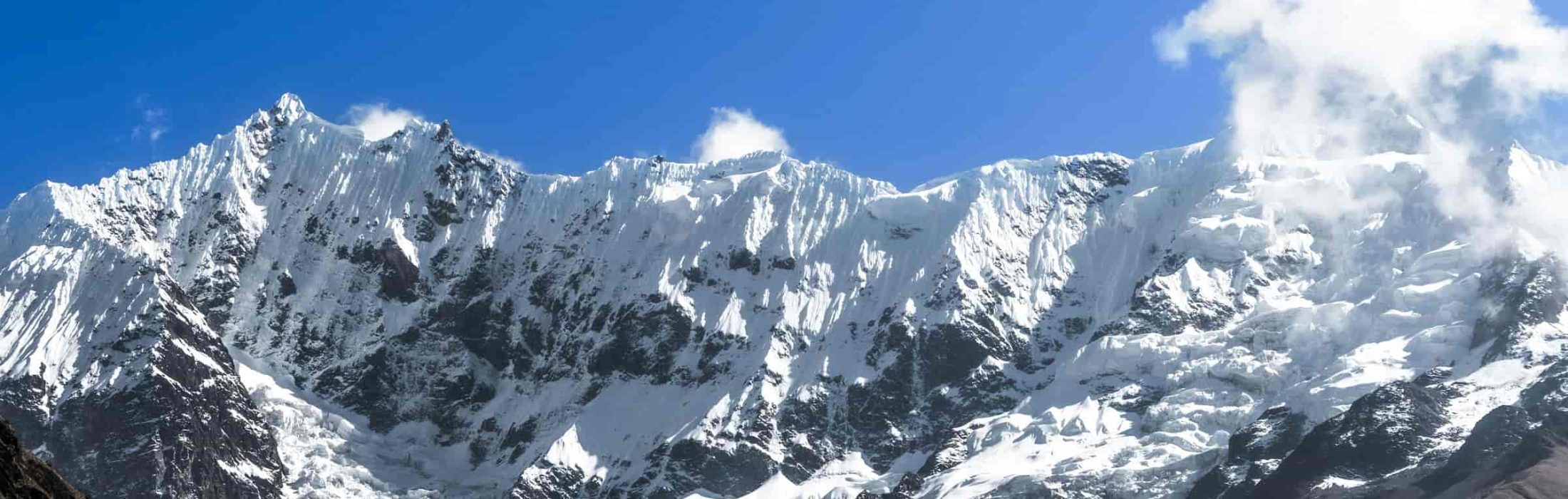
The Salkantay Trail offers breathtaking views of the Salkantay Mountain, diverse ecosystems, and cultural encounters with local Andean communities. Highlights include the Salkantay Pass, Humantay Lake, and the arrival at Machu Picchu, making this trek both challenging and immensely rewarding.
While experienced hikers may tackle the trail independently, hiring a local guide enhances safety, navigation, and cultural understanding. Guides provide valuable insight into the history, flora, and fauna along the route.
The Salkantay Trail spans altitudes ranging from around 2,800 meters (9,200 feet) to over 4,600 meters (15,000 feet) at the Salkantay Pass. Weather conditions can vary dramatically with altitude, influencing temperature and wind.
At lower altitudes, daytime temperatures can reach 20°C to 25°C (68°F to 77°F), while nights remain cool. At higher altitudes, especially around the Salkantay Pass, daytime may be mild but nighttime temperatures can drop below freezing.
The rainy season from November to April brings frequent showers and potential trail challenges like mud and slippery paths. Even in the dry season, sudden weather changes can occur, so always be prepared for rain.
Take time to acclimatize in Cusco or another high-altitude location before starting the trek. Spend a few days at altitude, hydrate well, and take short walks to adjust gradually to the thinner air.
Pack a quality sleeping bag rated for cold temperatures, a sturdy backpack, and a hydration system. Bring high-energy snacks, a reliable headlamp, and a lightweight tent if camping independently.
Stay on designated paths to protect the fragile environment, respect wildlife, and minimize your environmental impact. Always follow the guidance of your guide and local regulations.
Dress in layers to adapt to temperature fluctuations. Start with a moisture-wicking base layer, add insulating fleece or down jackets for warmth, and finish with a waterproof, windproof outer shell to protect against rain and wind.
Invest in comfortable, waterproof hiking boots with good ankle support and traction. Use moisture-wicking socks, gaiters to prevent mud and snow from entering your boots, and gloves and a warm hat for high-altitude passes.
At high altitudes, UV radiation is stronger. Wear sunglasses with UV protection, apply high-SPF sunscreen, and consider a wide-brimmed hat to protect against sunburn.
No special permits are typically required for the Salkantay Trail itself, but visiting Machu Picchu at the end of the trek requires a ticket. Book your Machu Picchu entry in advance, as visitor numbers are limited.
Follow Leave No Trace principles. Carry out all trash, avoid disturbing wildlife, and respect cultural sites along the trail. Stick to marked trails and designated campsites to minimize environmental impact.
Large groups may need to adhere to specific guidelines to reduce strain on local resources. Check with your tour operator about group restrictions and campsite regulations.
The Salkantay Trail is physically demanding, requiring good cardiovascular fitness and leg strength. Prepare by hiking regularly, including steep climbs, and incorporating strength training into your routine.
High altitudes can bring risks of altitude sickness. Know the symptoms—headache, nausea, dizziness—and learn how to manage them by resting, hydrating, and descending if necessary.
Simulate long days on the trail with multi-hour hikes carrying a weighted backpack. Focus on endurance training, strength exercises for legs and core, and flexibility workouts to prepare your body for varied terrain.
Drink plenty of water throughout the trek to prevent dehydration, especially at altitude. Eat balanced meals with carbohydrates, proteins, and fats to maintain energy levels. Bring water purification tablets or filters if needed.
Consider carrying medication for altitude sickness (e.g., Acetazolamide) after consulting a healthcare provider. Ascend gradually, listen to your body, and don’t push yourself too hard on the first days at high elevation.
Always trek with a group or guide, inform someone of your itinerary, and carry a basic first aid kit. Learn basic first aid skills, know emergency contact numbers, and have a plan in case of severe weather or health issues.
By following these guidelines and preparing thoroughly, you’ll be ready to tackle the Salkantay Trail safely and enjoyably. This journey offers a blend of challenging physical exertion and awe-inspiring natural beauty, culminating in the unforgettable experience of reaching Machu Picchu. Happy trekking!